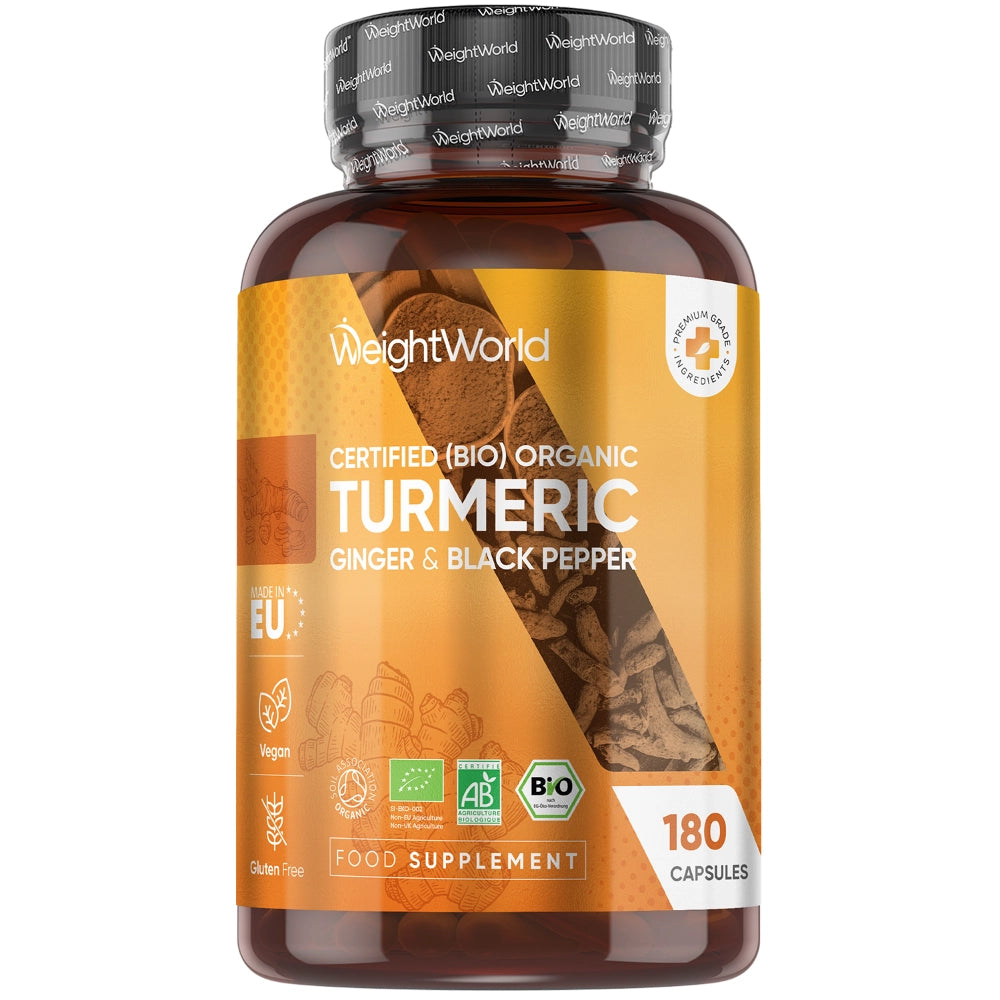
Turmeric has moved from the spice rack to the supplement aisle, praised for its potent antioxidant and anti-inflammatory properties. With a flood of products on the market, selecting a high-quality turmeric supplement can feel overwhelming. This guide breaks down the science, key ingredients, manufacturing standards, and practical tips to help you make an informed decision and reap the full benefits of curcumin, the active compound in turmeric.
Understanding Curcumin: The Active Ingredient
Curcumin is the bright yellow polyphenol that gives turmeric its distinctive color and most of its health-boosting potential. Research highlights several mechanisms:
- Anti-inflammatory action: Curcumin modulates the NF-??B pathway, reducing cytokine production.
- Antioxidant capacity: It neutralizes free radicals and boosts the body’s own antioxidant enzymes.
- Support for joint health: Clinical trials show reduced joint pain and stiffness in individuals with osteoarthritis.
- Metabolic benefits: Curcumin may improve insulin sensitivity and aid in weight management.
Key Factors to Evaluate When Choosing a Turmeric Supplement
1. Bioavailability Enhancers
Curcumin is poorly absorbed on its own. Effective supplements pair it with agents that increase its uptake:
- Black pepper extract (piperine): Enhances absorption up to 2000%.
- Phospholipid complexes (e.g., Meriva??): Encapsulate curcumin in phosphatidylcholine for better transport across cell membranes.
- Micronized or nano-curcumin forms: Reduce particle size to improve solubility.
2. Standardized Curcumin Content
Look for products that guarantee a specific percentage of curcuminoids, typically 95% standardized extracts. This ensures consistent dosing across batches.
3. Purity and Additive Profile
High-quality supplements avoid unnecessary fillers, artificial colors, and allergens. Ideal formulations contain:
- Non-GMO turmeric extract
- Vegetable-based capsule shells (e.g., cellulose)
- Minimal sweeteners or binders
4. Third-Party Testing and Certifications
Independent testing validates potency, purity, and the absence of heavy metals or microbial contamination. Look for certifications such as:
- NSF International
- USP Verified
- Informed-Sport (for athletes)
5. Dosage Recommendations
Effective clinical studies typically use 500″?mg to 2″?g of standardized curcumin per day, often divided into two doses with meals. Ensure the supplement’s label provides clear dosing instructions.
Comparing Popular Formulations
Different delivery systems cater to varying needs. Below is a quick comparison to help narrow the field:
| Formulation | Bioavailability Boost | Typical Daily Dose | Best For |
|---|---|---|---|
| Standardized extract + piperine | 2000% increase | 500″?mg curcumin + 5″?mg piperine | General wellness, cost-effective |
| Phytosome (curcumin-phosphatidylcholine) | Enhanced cellular uptake | 250″?mg curcumin (equiv. 500″?mg standard) | Those seeking high absorption with fewer additives |
| Nano-curcumin | Particle size < 200"?nm | 300″?mg curcumin | Athletes and individuals with digestive sensitivities |
How to Verify the best turmeric supplement for Your Needs
Follow this step-by-step checklist before making a purchase:
- Read the label: Confirm curcumin percentage, presence of a bioavailability enhancer, and capsule material.
- Check third-party results: Look for a PDF of the lab analysis or a QR code linking to the report.
- Assess dosage practicality: Choose a product that fits your daily routine without exceeding recommended limits.
- Review customer feedback: Real-world experiences often reveal taste, gastrointestinal tolerance, and efficacy.
- Consider price per active dose: Calculate cost per milligram of curcumin to compare value objectively.
Potential Side Effects and Interactions
Turmeric is generally safe, but be aware of the following considerations:
- Gastrointestinal upset: High doses may cause mild stomach discomfort; taking with food mitigates this.
- Blood-thinning effect: Curcumin can enhance anticoagulant medications; consult a healthcare professional if you’re on warfarin or similar drugs.
- Gallbladder issues: Individuals with gallstones should avoid large amounts of curcumin.
Storage Tips to Preserve Potency
Curcumin degrades when exposed to light, heat, and moisture. To maintain effectiveness:
- Store capsules in a cool, dry place away from direct sunlight.
- Keep the lid tightly sealed after each use.
- Check the expiration date; most supplements retain full potency for 24 months.
Conclusion
Selecting the right turmeric supplement hinges on understanding curcumin’s bioavailability, verifying purity through third-party testing, and aligning dosage with personal health goals. By applying the criteria outlined in this guide, standardized extracts, effective absorption enhancers, transparent labeling, and reputable certifications, you can confidently choose a product that delivers the therapeutic benefits of turmeric without compromise. Whether the aim is joint comfort, antioxidant support, or metabolic balance, an informed choice ensures that the supplement works synergistically with a healthy lifestyle.
About the Author