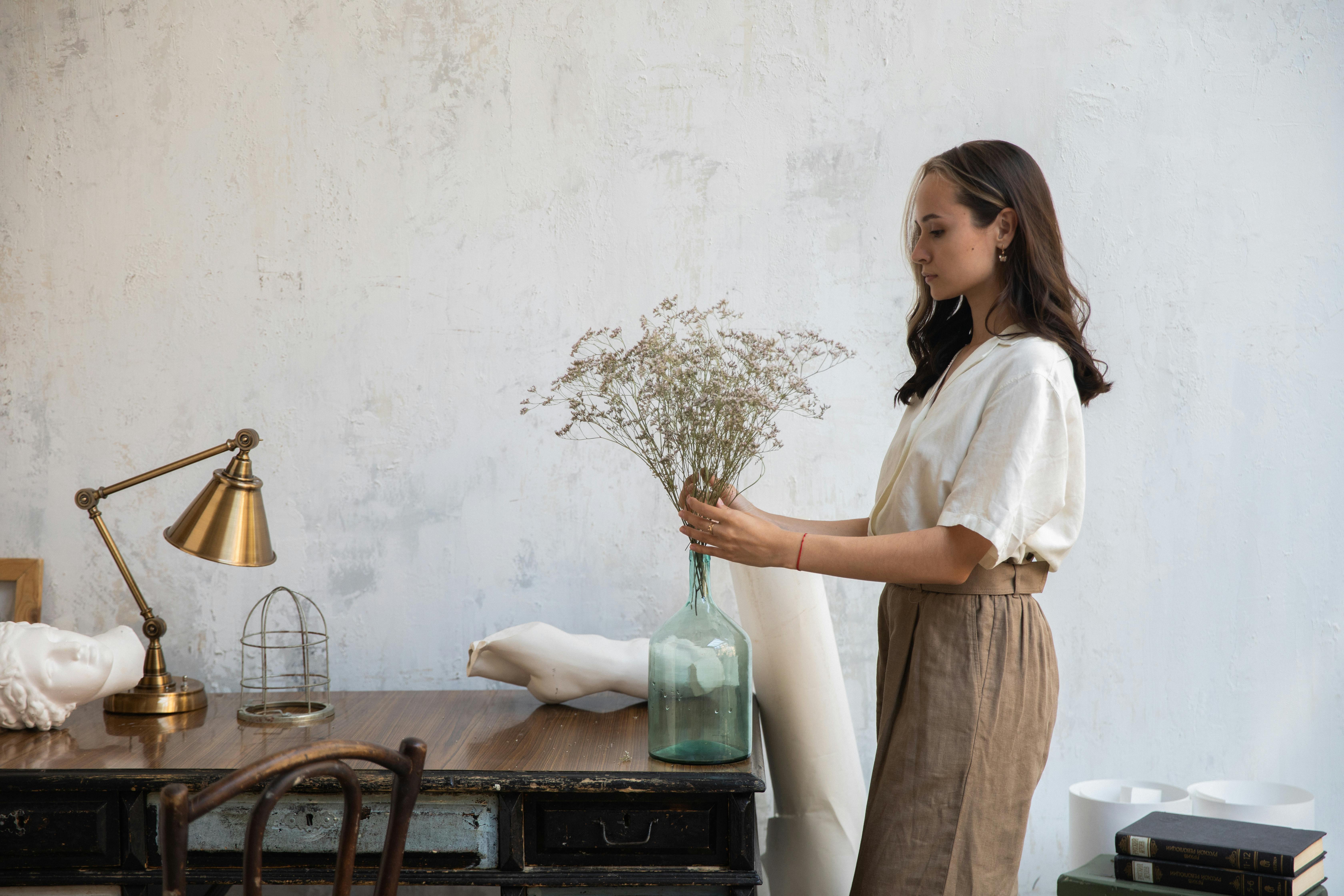
Creating a welcoming and inspiring workspace goes beyond furniture, lighting, and color palettes. The subtle yet powerful impact of thoughtfully arranged floral installations can transform a corporate environment, enhancing both aesthetics and employee morale. By integrating custom floral designs into reception areas, conference rooms, and common spaces, businesses can convey professionalism, creativity, and attention to detail without overwhelming the brand identity. This article explores the strategic benefits of floral d??cor, practical considerations for implementation, and actionable steps to elevate any commercial interior.
Why Custom Floral Designs Matter in a Business Setting
Floral arrangements are more than decorative accessories; they serve functional and psychological purposes that align with corporate objectives.
Psychological Benefits
- Reduced stress levels – natural elements have been shown to lower cortisol.
- Improved concentration – subtle greenery can boost focus during meetings.
- Positive brand perception – visitors associate fresh, well-maintained spaces with reliability.
Functional Advantages
- Acoustic dampening – dense foliage can help absorb ambient noise.
- Air quality enhancement – certain plants filter pollutants and increase oxygen.
- Versatile branding – colors and flower types can be selected to echo corporate palettes.
For a deeper dive into the science behind interior greenery, Read more about this topic.
Planning Your Custom Floral Strategy
Successful integration begins with a clear plan that addresses space, budget, and maintenance.
Assessing Space Requirements
- Identify high-traffic zones such as lobbies, waiting areas, and conference tables.
- Measure ceiling height and floor load capacity to determine suitable arrangement sizes.
- Consider sight lines – ensure arrangements do not obstruct visibility or safety signage.
Budget Allocation
- Determine a recurring budget for plant replacement and care.
- Factor in seasonal variations; some flowers are more cost-effective at certain times of the year.
- Explore leasing options for premium installations to spread costs over time.
Guidance on cost-effective sourcing can be found at Learn more in this detailed guide.
Design Principles for a Cohesive Look
Applying design fundamentals ensures that floral elements complement, rather than compete with, existing interior d??cor.
Color Harmony
- Match flower hues to the company’s primary color scheme for subtle branding.
- Use complementary colors to add visual interest without clashing.
- Incorporate neutral greens as a backdrop for brighter accent flowers.
Scale and Proportion
- Large, low-lying arrangements work well in spacious lobbies.
- Compact, vertical installations suit narrow corridors or reception desks.
- Layered heights create depth and guide the eye through the space.
Examples of effective scaling techniques are discussed in Explore further insights here.
Maintenance Best Practices
Longevity and freshness rely on consistent care protocols.
- Schedule weekly water checks and bi-monthly pruning.
- Implement a rotation system to replace seasonal blooms and keep displays dynamic.
- Train facility staff on basic plant health indicators (wilting, discoloration, pests).
- Partner with a professional horticultural service for complex installations.
For a comprehensive maintenance checklist, Find additional information here.
Case Study: Concept to Completion (Generic Example)
Below is a step-by-step illustration of how a typical office transformed its interior using custom floral design.
- Concept Development: The design team mapped out key zones and selected a palette of soft blues and whites to echo the brand’s visual identity.
- Supplier Collaboration: Seasonal blooms were sourced, ensuring availability and cost efficiency.
- Installation: Modular containers allowed quick placement and future reconfiguration.
- Feedback Loop: Employee surveys measured perceived improvements in ambience and satisfaction.
- Ongoing Care: A quarterly review adjusted plant selections based on feedback and seasonal changes.
Implementing Your Own Floral Upgrade
Start small, evaluate impact, and expand gradually.
- Pilot Project: Introduce a single statement arrangement in the main reception.
- Measure Results: Track visitor comments and employee well-being metrics.
- Scale Up: Replicate successful elements in conference rooms and breakout areas.
- Continuous Innovation: Rotate themes, e.g., seasonal colors, local flora, to keep the environment fresh.
Additional strategic tips are available at Read more about this topic.
Conclusion
Integrating custom floral designs into a business interior is a strategic investment that blends aesthetics, wellness, and brand reinforcement. By following a structured planning process, adhering to design principles, and committing to regular maintenance, organizations can create inviting spaces that inspire confidence and productivity. The subtle power of flowers, when thoughtfully applied, turns ordinary work environments into memorable experiences that benefit both employees and visitors alike.
About the Author