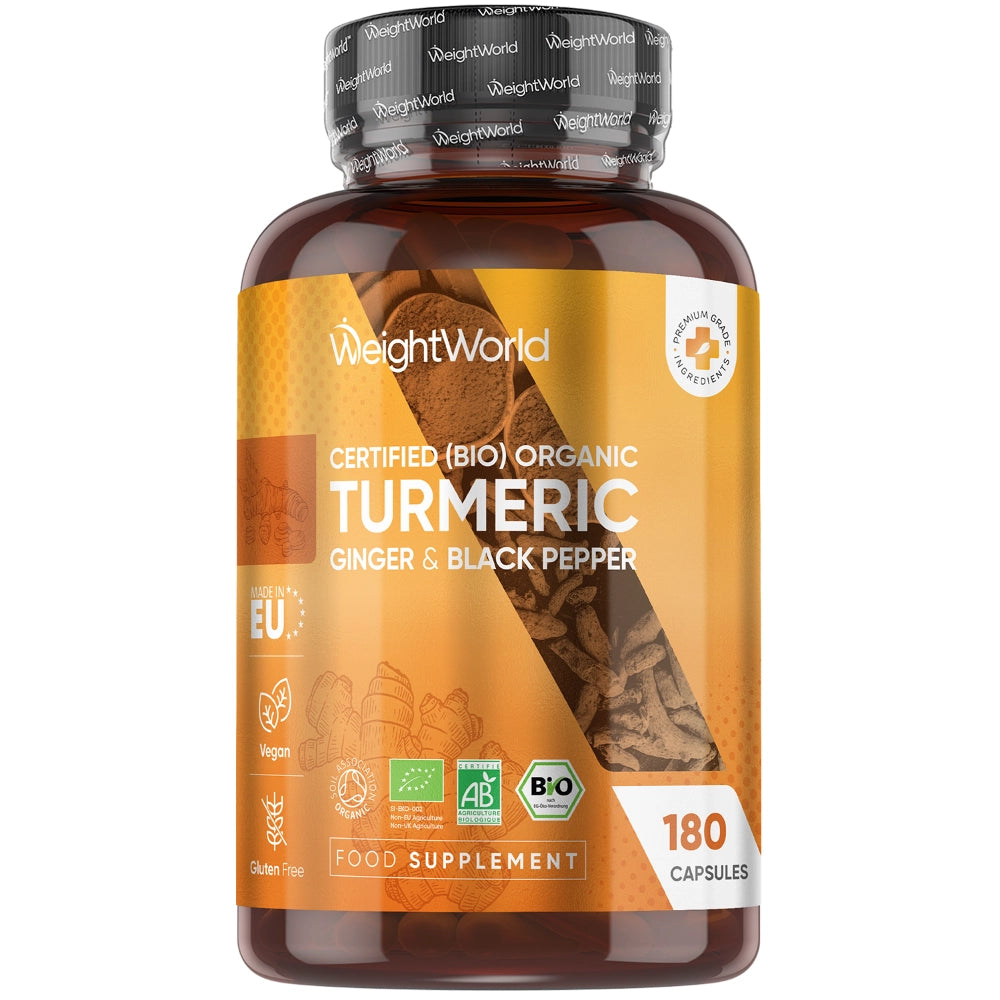
Turmeric has moved from kitchen spice to a staple in many wellness routines, largely because of its active compound, curcumin, which is celebrated for its antioxidant and anti-inflammatory properties. With the market now flooded with a wide range of turmeric supplements, choosing the right product can feel overwhelming. Selecting a high-quality supplement involves more than just looking at price or packaging; it requires a careful evaluation of several scientific and practical factors. This guide outlines the essential considerations that help ensure the supplement delivers the promised health benefits while maintaining safety and efficacy.
1. Bioavailability – Making Curcumin Work for You
Curcumin’s natural absorption rate in the human body is notoriously low. A supplement that does not address this limitation may provide little more than a placebo effect. Look for formulations that incorporate proven bioenhancers.
Key bioenhancers to watch for
- Black pepper extract (piperine): Increases curcumin absorption by up to 2000%.
- Phospholipid complexes (e.g., Meriva??): Bind curcumin to phosphatidylcholine, improving cellular uptake.
- Nanoparticle or micelle technology: Reduces particle size, allowing easier passage through intestinal walls.
2. Purity and Ingredient Transparency
High-quality supplements should list every ingredient, including the source of turmeric, any added excipients, and the exact amount of curcumin per serving. Transparency helps avoid hidden fillers, allergens, or contaminants.
What to verify on the label
- Standardized curcumin content (typically 95% curcuminoids).
- Absence of artificial colors, preservatives, or unnecessary additives.
- Clear disclosure of potential allergens such as soy, gluten, or dairy.
- Third-party testing certificates (e.g., USP, NSF).
3. Dosage – Aligning with Scientific Evidence
Clinical studies on curcumin commonly use dosages ranging from 500″?mg to 2000″?mg of standardized extract per day, often divided into two doses. The optimal dosage for an individual depends on health goals, body weight, and tolerance.
- For general antioxidant support, 500-1000″?mg daily is typical.
- For joint or inflammatory concerns, studies often employ 1000-1500″?mg split into two servings.
- Higher doses may be recommended under professional supervision for specific therapeutic aims.
4. Manufacturing Standards and Certifications
Supplements produced in facilities that follow Good Manufacturing Practices (GMP) are less likely to contain contaminants or experience batch-to-batch variability. Certifications such as ISO 22000, HACCP, or organic labels add an extra layer of confidence.
5. Form Factor – Choosing What Fits Your Lifestyle
The way a supplement is delivered can affect both convenience and absorption.
- Capsules: Most common; often combined with bioenhancers.
- Softgels: Typically contain oil-based curcumin for better solubility.
- Powders: Allow flexible dosing but may require mixing with liquids.
- Liquid tinctures: Offer rapid absorption but may have a stronger taste.
6. Price vs. Value Assessment
While it can be tempting to choose the cheapest option, value should be measured by the amount of bioavailable curcumin per dollar, not just the total capsule count. A higher-priced product with superior absorption technology may deliver better results at a comparable long-term cost.
7. Customer Feedback and Independent Reviews
Real-world experiences can highlight issues that laboratory data may not capture. Look for reviews that discuss:
- Consistency of effects over time.
- Any gastrointestinal discomfort or allergic reactions.
- Transparency of the brand regarding sourcing and testing.
8. Regulatory Compliance and Safety
In many regions, dietary supplements are not subject to the same rigorous approval process as pharmaceuticals. Therefore, it is crucial to ensure the product complies with local regulations, such as the EU’s Novel Food Regulation or the FDA’s Dietary Supplement Health and Education Act (DSHEA) in the United States.
9. Selecting the best turmeric supplement for Your Needs
When the decision point arrives, weigh each factor against your personal health objectives:
- Confirm the supplement uses a proven bioenhancer.
- Check that the label clearly states standardized curcumin content and any additional ingredients.
- Ensure the product is manufactured in a GMP-certified facility and has third-party testing.
- Match the dosage to your health goals, consulting a healthcare professional if needed.
- Consider the form that best fits your daily routine, capsules for convenience, powders for flexibility, or liquids for rapid absorption.
Conclusion
Choosing a turmeric supplement is a nuanced process that blends scientific insight with practical considerations. By focusing on bioavailability, purity, dosage, manufacturing standards, and genuine customer feedback, you can identify a product that truly harnesses curcumin’s therapeutic potential. A thoughtful selection not only maximizes health benefits but also ensures safety and consistency, turning a simple daily capsule into a reliable component of a holistic wellness strategy.
About the Author