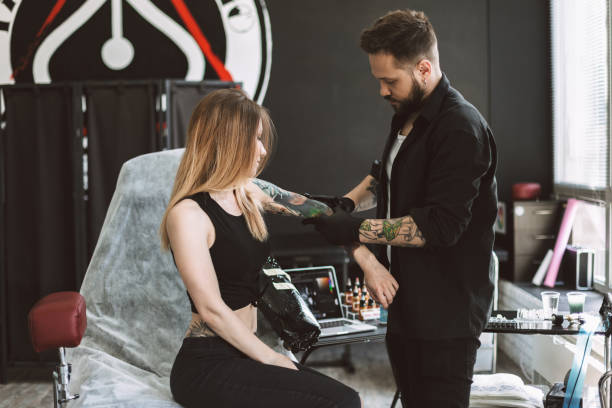
Opening a private tattoo studio in Florida offers a unique blend of artistic freedom, regulatory clarity, and a thriving market of tattoo enthusiasts. The state’s diverse demographics, year-round tourism, and supportive business environment create an ideal backdrop for artists seeking a dedicated space to showcase their craft. This guide outlines the key considerations for selecting, designing, and operating a private tattoo studio that meets professional standards while fostering a welcoming atmosphere for clients.
Why Florida Is a Prime Location for Tattoo Businesses
Florida’s reputation as a cultural crossroads translates into a broad client base with varied aesthetic preferences. Several factors make the state particularly attractive:
- Population growth: Rapid expansion in major metro areas such as Miami, Orlando, and Tampa increases demand for personal expression services.
- Tourism influx: Millions of visitors each year seek memorable experiences, including custom tattoos.
- Regulatory framework: Clear licensing requirements provide a predictable environment for compliance.
- Creative community: A vibrant network of artists, suppliers, and events supports collaboration and continual learning.
For a deeper dive into the business climate, Read more about this topic.
Essential Criteria When Choosing a Studio Space
Location and Accessibility
Visibility and foot traffic are crucial, but so is ease of parking and public transportation access. Consider neighborhoods that balance affordability with exposure to target demographics.
Size and Layout
A functional studio typically requires:
- Separate workstations for each artist (minimum 120 sq ft per station).
- A sterile preparation area with a dedicated sink and hand-washing facilities.
- A comfortable waiting lounge with privacy screens.
- Secure storage for equipment, inks, and client records.
Zoning and Compliance
Verify that the property is zoned for health-related services. Local health departments often require specific ventilation, waste disposal, and sterilization protocols. Maintaining compliance not only protects clients but also safeguards the studio’s reputation.
Designing a Professional Yet Inviting Environment
The aesthetic of a tattoo studio should reflect artistic integrity while adhering to health standards. Key design elements include:
- Lighting: Adjustable, shadow-free lighting over workstations improves precision.
- Materials: Non-porous surfaces (e.g., stainless steel, sealed quartz) facilitate cleaning.
- Acoustics: Soft flooring and acoustic panels reduce echo, creating a relaxed atmosphere.
- Branding: Subtle signage and artwork convey the studio’s style without overwhelming clients.
To explore design best practices, Explore further insights here.
Operational Considerations for Long-Term Success
Licensing and Insurance
Every artist must hold a valid Florida tattoo license, and the studio itself must obtain a business license and health department certification. Comprehensive liability insurance protects against potential claims and demonstrates professionalism.
Health & Safety Protocols
Implement a strict standard operating procedure (SOP) that includes:
- Use of single-use needles and autoclave sterilization for reusable tools.
- Regular inventory checks of inks and disposables.
- Documented client consent forms and after-care instructions.
Staffing and Training
Even a solo studio benefits from occasional support staff for reception, cleaning, and inventory management. Ongoing education, such as workshops on new techniques or safety updates, keeps the studio competitive.
Marketing Your Private Tattoo Studio
Effective, ethical marketing attracts clients while respecting the art form. Strategies include:
- Maintaining a portfolio website with high-resolution images of completed work.
- Leveraging social media platforms for behind-the-scenes content and artist spotlights.
- Participating in local art fairs and tattoo conventions to showcase talent.
- Offering limited-time promotions tied to holidays or local events.
For additional guidance on building an online presence, Learn more in this detailed guide.
Financial Planning and Sustainability
Accurate budgeting ensures the studio can cover initial setup costs and ongoing expenses. Key financial categories include:
- Lease or purchase costs: Factor in utilities, property taxes, and potential renovation fees.
- Equipment investment: Quality tattoo machines, ergonomic chairs, and sterilization units.
- Operational overhead: Supplies, insurance premiums, licensing fees, and marketing spend.
- Revenue projections: Estimate based on average hourly rates, appointment volume, and ancillary sales (e.g., after-care products).
Regularly reviewing financial statements helps identify growth opportunities and maintain profitability.
Conclusion
Establishing a private tattoo studio in Florida combines artistic passion with strategic business planning. By selecting an appropriate location, adhering to health regulations, designing a functional yet inviting space, and implementing sound operational practices, artists can create a sustainable environment that attracts a diverse clientele. Continuous learning, ethical marketing, and diligent financial management further ensure long-term success in this vibrant market.
About the Author