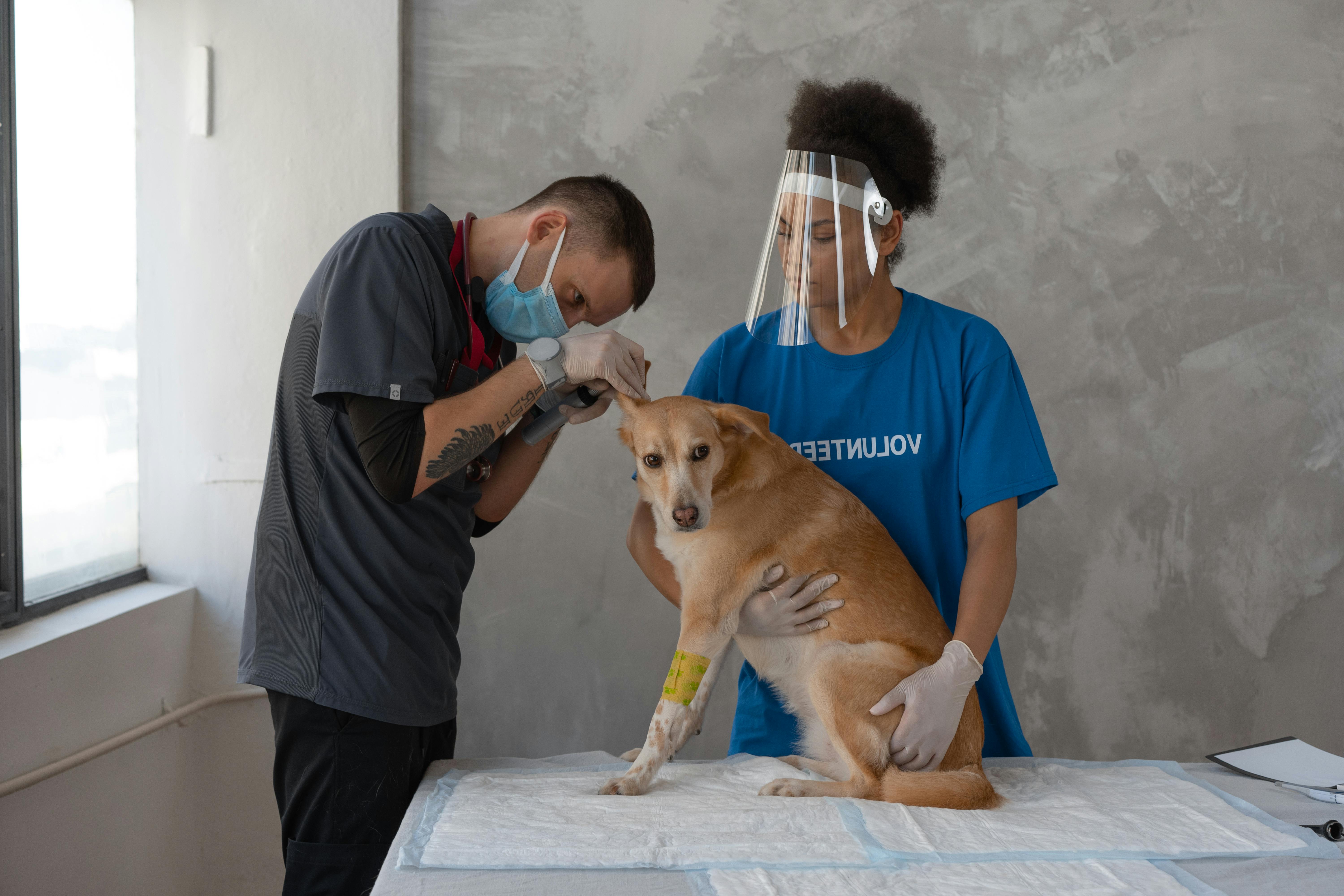
Pet allergies affect countless households, causing discomfort for both animals and their owners. Recognizing the signs early and seeking professional help can dramatically improve a pet’s quality of life. This guide explains how to locate a qualified specialist, what to expect during diagnosis, and the most effective treatment options available today.
Understanding Pet Allergies
Allergic reactions in dogs and cats are typically triggered by environmental factors, food ingredients, or contact irritants. Common symptoms include itching, redness, ear infections, and chronic skin issues. Because many of these signs mimic other dermatological conditions, a thorough veterinary evaluation is essential.
Typical Signs to Watch For
- Persistent scratching or licking of paws
- Red, inflamed skin patches
- Recurring ear infections or odor
- Hair loss or thinning coat
- Watery eyes or sneezing (especially in cats)
How to Find a Qualified Specialist
When searching for an expert, look for veterinarians who focus on dermatology and allergy testing. A targeted search for a pet allergy vet Chadds Ford PA can narrow results to clinics with the necessary equipment and experience. Consider the following criteria:
- Board certification in veterinary dermatology
- Availability of allergy testing (blood work, intradermal skin testing)
- Positive client reviews regarding allergy management
- Convenient office hours and location
What to Expect During the First Visit
A comprehensive assessment typically includes a physical exam, detailed history, and diagnostic testing. The veterinarian may recommend one or more of the following procedures:
- Blood allergy panel: Detects specific IgE antibodies to common allergens.
- Intradermal skin testing: Identifies skin reactivity to a range of substances.
- Food elimination trial: Determines if a dietary component is the cause.
- Skin scraping and cytology: Rules out parasites or infections.
Effective Treatment Options
Once the allergen is identified, several treatment pathways can provide relief. The choice depends on the severity of the reaction, the pet’s overall health, and owner preferences.
Medical Management
- Antihistamines: Useful for mild, seasonal allergies.
- Corticosteroids: Provide rapid inflammation control but are used short-term due to side effects.
- Immunotherapy (Allergy Shots): Tailored injections that desensitize the immune system over months.
- Topical therapies: Medicated shampoos, sprays, and ointments for localized skin issues.
Environmental Control
Reducing exposure to identified allergens can dramatically lessen symptoms. Simple steps include regular vacuuming, using HEPA filters, and washing bedding weekly.
When to Seek Ongoing Care
Chronic allergies often require long-term monitoring. Scheduling regular check-ups with a pet allergy vet ensures treatment plans stay effective and adjustments are made as needed. Look for clinics that offer follow-up appointments and provide clear communication about progress.
Local Resources and Finding Help Quickly
For pet owners searching on the go, typing “pet dermatology near me” into a search engine can surface nearby specialists with relevant expertise. Many veterinary practices now feature online appointment booking, telehealth consultations, and educational material to help owners manage allergies at home.
Conclusion
Identifying and treating pet allergies is a collaborative effort between the owner and a knowledgeable veterinarian. By recognizing symptoms early, choosing a qualified pet allergy vet Chadds Ford PA, and following a tailored treatment plan, pets can enjoy a comfortable, itch-free life. Investing time in proper diagnosis and ongoing care not only alleviates discomfort but also strengthens the bond between humans and their beloved companions.
About the Author