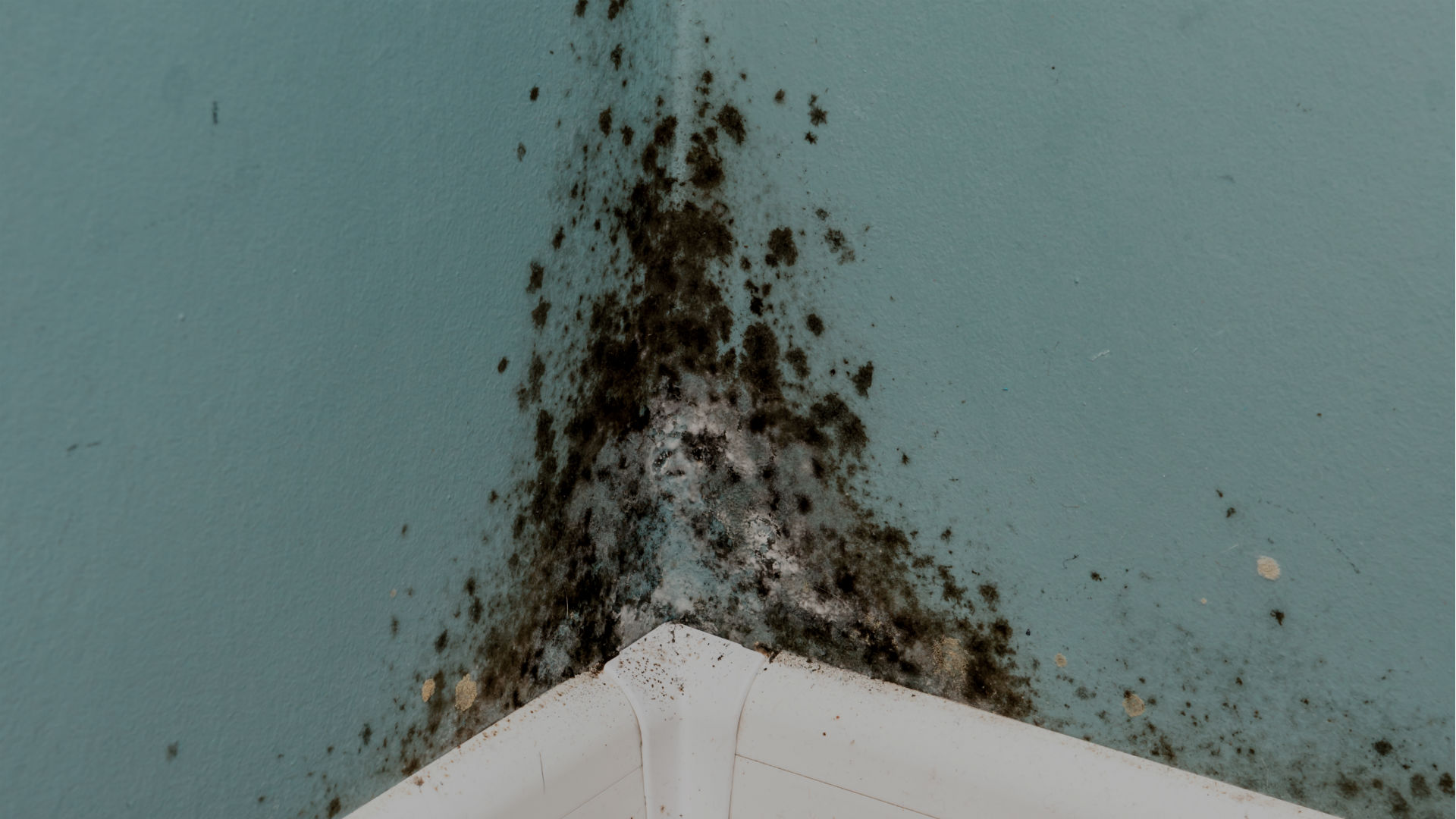
Mold can develop silently behind walls, under floors, or in hidden corners of a home, posing health risks that range from mild irritation to serious respiratory issues. Understanding how to detect and address mold early is essential for maintaining indoor air quality and protecting occupants’ well-being. This article outlines the key components of mold testing services, explains what homeowners can expect during an assessment, and offers guidance on interpreting results to create a healthier living environment.
Why Mold Testing Is Essential for a Healthy Home
Even when visible signs of mold are absent, spores may be present in the air or within building materials. Regular testing helps to:
- Identify hidden growth before it spreads.
- Determine the specific types of mold present, some of which are more hazardous than others.
- Assess indoor air quality against health-based standards.
- Provide a documented baseline for future remediation efforts.
For a deeper dive into the health implications of indoor mold, Read more about this topic.
Types of Mold Tests Available
Air Sampling
Air sampling captures spores floating in the indoor environment. The process typically involves:
- Using a calibrated pump to draw air through a collection medium.
- Analyzing the sample in a laboratory to quantify spore concentration.
- Comparing results with outdoor reference levels.
Surface Sampling
Surface sampling targets visible or suspected mold colonies. Common methods include:
- Swab tests: A sterile swab rubs the surface, then is sent for analysis.
- Bulk samples: Small pieces of material (e.g., drywall) are removed for laboratory culture.
- Tape lift: Clear adhesive tape lifts spores for microscopic examination.
To explore the scientific basis behind these techniques, Learn more in this detailed guide.
Typical Steps in a Professional Mold Testing Service
A thorough assessment follows a systematic approach to ensure reliable results:
- Initial Consultation: The tester gathers information about water damage history, visible mold, and occupant symptoms.
- Visual Inspection: A detailed walkthrough identifies potential moisture sources and high-risk areas.
- Sampling Plan Development: Based on the inspection, the tester selects appropriate air and surface sampling locations.
- Sample Collection: Certified equipment is used to collect air, surface, and bulk samples while maintaining chain-of-custody documentation.
- Laboratory Analysis: Accredited labs perform culture, microscopy, or DNA-based identification.
- Report Delivery: Results are compiled into a clear report that includes mold species, concentrations, and recommendations.
For an overview of best practices in sampling methodology, Explore further insights here.
Interpreting Test Results and Next Steps
Understanding the data is crucial for deciding whether remediation is needed. Key considerations include:
- Spore Count Thresholds: Compare indoor levels to outdoor baseline; significantly higher indoor counts often indicate active growth.
- Species Identification: Certain molds (e.g., Stachybotrys chartarum) are associated with more severe health effects.
- Location Correlation: Align high-count areas with moisture sources identified during inspection.
If results suggest problematic mold, the next steps typically involve moisture remediation, removal of contaminated materials, and verification testing after cleanup. Detailed guidance on remediation planning can be found by Find additional information here.
Preventive Measures to Maintain a Mold-Free Home
Even after successful remediation, ongoing prevention is essential. Consider the following strategies:
- Maintain indoor humidity below 60″?% using dehumidifiers or proper ventilation.
- Repair roof leaks, plumbing failures, and condensation issues promptly.
- Use mold-resistant building materials in high-moisture areas such as bathrooms and basements.
- Schedule periodic visual inspections, especially after water-related events.
- Implement routine air quality monitoring to catch early changes.
For a comprehensive checklist on home moisture control, Read more about this topic.
Choosing a Qualified Mold Testing Service
When selecting a professional, prioritize the following criteria:
- Certification: Look for technicians certified by recognized bodies (e.g., IICRC, NADCA).
- Laboratory Accreditation: Ensure samples are analyzed by labs accredited to ISO/IEC 17025.
- Transparent Reporting: Reports should include methodology, results, and actionable recommendations.
- Experience with Residential Settings: Residential testing differs from commercial due to building size and occupancy patterns.
Understanding these factors helps homeowners make informed decisions without relying on promotional language. For a neutral overview of industry standards, Learn more in this detailed guide.
Conclusion
Effective mold testing is a cornerstone of indoor health management. By employing scientifically sound sampling techniques, interpreting results against established benchmarks, and implementing preventive measures, homeowners can safeguard their living spaces from the hidden dangers of mold. Regular assessments, combined with prompt moisture control, create a resilient environment where occupants can breathe easier and enjoy a healthier home.
About the Author