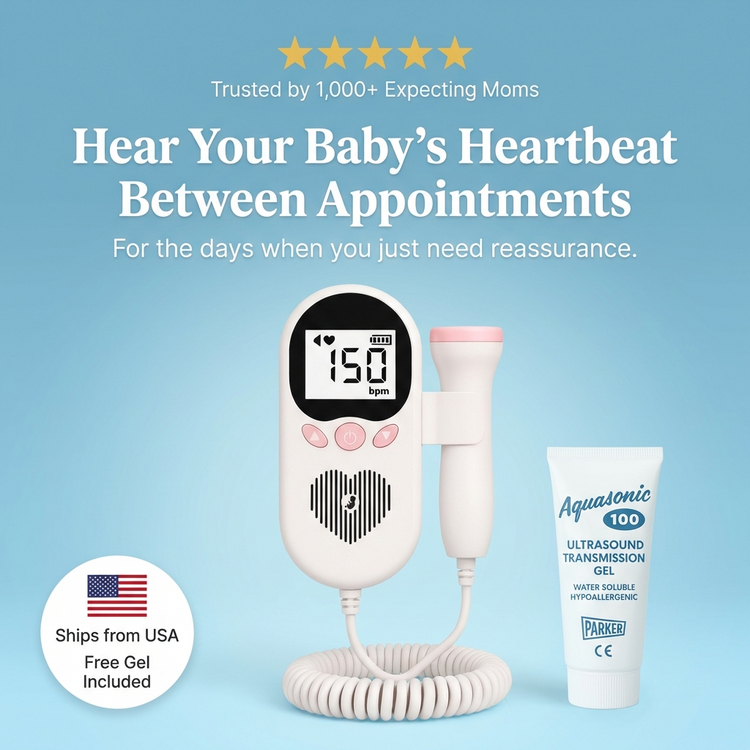
During pregnancy, expectant parents often seek reassurance about their baby’s health and development. One tool that provides such assurance is the fetal Doppler. Used to listen to the baby’s heartbeat, it offers valuable insights into fetal health. However, it’s essential to use a fetal Doppler safely and effectively to ensure both the mother’s and baby’s well-being. This article will explore best practices for using a fetal Doppler, addressing safety concerns, and tips for maximizing its benefits.
Understanding Fetal Dopplers
Fetal Dopplers are handheld ultrasound devices that allow users to listen to a baby’s heartbeat during pregnancy. They work by emitting sound waves that bounce off the fetal heart, producing audible heartbeats.
- Home-use Dopplers are popular for personal monitoring, while medical-grade devices are used by healthcare professionals.
- Typically, they become more effective after the 12th week of pregnancy when the baby’s heart is more developed and easier to detect.
- For more detailed insights into different types of Dopplers, find out more about this approach.
Using Fetal Doppler Safely
Guidelines for Safe Usage
While fetal Dopplers are generally safe, consider these guidelines to ensure their proper use:
- Limit usage to once or twice a week to minimize unnecessary exposure to ultrasound waves.
- Rely on the Doppler for reassurance but not as a substitute for routine prenatal care.
- Always follow the manufacturer’s instructions and consult a healthcare provider if unsure.
Importance of Professional Guidance
Consulting with healthcare professionals can enhance the use of fetal Dopplers:
- Receive proper training on device operation to ensure accurate results.
- Understand the normal range of fetal heart rates and when to seek medical advice.
- Discover expert strategies here to integrate Doppler usage with regular prenatal check-ups.
Maximizing Benefits of Fetal Doppler Use
Effective Monitoring Tips
To make the most of a fetal Doppler, consider these best practices:
- Use the device in a quiet room to hear the heartbeat clearly.
- Apply ultrasound gel to the probe to enhance sound wave transmission.
- Position the probe in different areas of the abdomen to locate the heartbeat.
For more detailed tips and guides on effective monitoring, explore advanced guides and tips.
Interpreting Results
Understanding the results from a fetal Doppler is crucial:
- Normal fetal heart rates range between 110 to 160 beats per minute.
- Significant deviations from this range should prompt consultation with a healthcare provider.
- Learn about our tailored solutions here for interpreting Doppler readings accurately.
Conclusion
Fetal Dopplers can be an invaluable tool during pregnancy, providing peace of mind and connection with the unborn baby. However, their effectiveness hinges on safe and informed usage. By adhering to best practices and seeking professional guidance, expectant parents can optimize the benefits of fetal Doppler use. Explore advanced guides and tips to ensure a safe and fulfilling pregnancy journey.
About the Author