Cardiovascular disease remains the leading cause of mortality worldwide, prompting a growing interest in nutritional strategies that support heart function. While a balanced diet, regular exercise, and routine medical care are foundational, certain dietary supplements, when chosen based on solid clinical evidence, can complement these lifestyle measures. This article reviews the most researched supplements for heart health, summarizing the mechanisms, key study findings, and practical considerations for integrating them into a heart-friendly regimen.
Omega-3 Fatty Acids
Long-chain omega-3s, particularly eicosapentaenoic acid (EPA) and docosahexaenoic acid (DHA), have been the focus of extensive cardiovascular research. Randomized controlled trials such as the REDUCE-IT study demonstrated a 25% relative risk reduction in major adverse cardiovascular events among patients taking high-dose purified EPA.
Key Benefits
- Reduces triglyceride levels, a known risk factor for atherosclerosis.
- Improves endothelial function and promotes anti-inflammatory pathways.
- May lower blood pressure modestly in hypertensive individuals.
For those seeking heart health supplements with robust evidence, high-purity fish oil or algae-derived EPA/DHA capsules are recommended.
Coenzyme Q10 (CoQ10)
CoQ10 is a mitochondrial antioxidant that plays a crucial role in cellular energy production. Clinical data indicate that supplementation can improve symptoms in patients with heart failure and may mitigate statin-induced muscle discomfort.
Evidence Highlights
- A meta-analysis of 12 trials showed a significant increase in left ventricular ejection fraction after 12 weeks of CoQ10 supplementation.
- Patients on statins experienced a 30% reduction in muscle pain when taking 200″?mg of CoQ10 daily.
When exploring supplements for heart health, look for products that guarantee a bioavailable form such as ubiquinol.
Plant Sterols and Stanols
These naturally occurring compounds compete with dietary cholesterol for absorption in the intestines, leading to modest reductions in LDL-cholesterol.
Clinical Outcomes
- Consistent intake of 2″?g per day lowers LDL-C by 8-10% according to the American Heart Association.
- Long-term studies suggest a reduced risk of coronary events when combined with a heart-healthy diet.
Consumers searching for the best heart health supplements often find fortified spreads or capsule forms containing plant sterols.
Magnesium
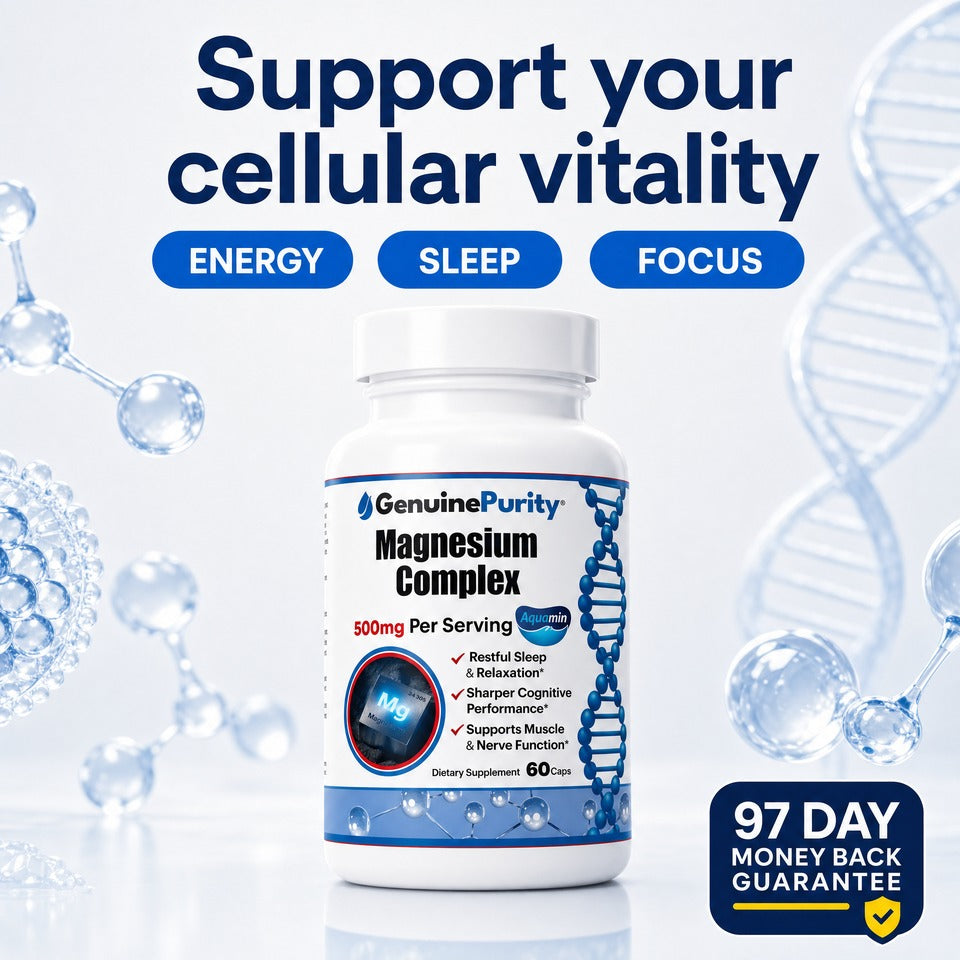
Magnesium is essential for maintaining normal heart rhythm and vascular tone. Deficiency is linked to hypertension, arrhythmias, and increased inflammatory markers.
Research Findings
- A 2016 randomized trial reported a 4″?mmHg systolic blood pressure reduction after eight weeks of 350″?mg magnesium supplementation.
- Observational data associate higher dietary magnesium intake with a 15% lower risk of coronary heart disease.
For those interested in cardiovascular supplements, chelated magnesium (e.g., magnesium glycinate) offers superior absorption.
Vitamin D
Beyond bone health, vitamin D receptors are present in myocardial cells and vascular endothelium. Deficiency has been correlated with hypertension, arterial stiffness, and adverse cardiac events.
Key Clinical Data
- A prospective cohort of 5,000 participants found that serum 25-OH vitamin D levels >30″?ng/mL were associated with a 20% lower risk of myocardial infarction.
- Supplementation of 2,000″?IU daily improved endothelial function in patients with pre-hypertension.
When selecting the best supplements for cardiovascular health, choose vitamin D3 formulations with a reliable third-party testing label.
Combined Antioxidant Formulas
Formulas that blend antioxidants such as vitamin C, vitamin E, and polyphenols (e.g., resveratrol, curcumin) aim to reduce oxidative stress, a driver of atherosclerotic plaque formation.
Supporting Evidence
- Trials using high-dose vitamin E (800″?IU) showed a modest reduction in non-fatal myocardial infarctions, though results are mixed and dosage must be monitored.
- Resveratrol supplementation (150″?mg daily) improved arterial elasticity in middle-aged adults.
These multi-nutrient blends can be an adjunct to the heart health supplements market, but clinicians recommend reviewing individual ingredient dosages.
Practical Guidelines for Supplement Use
Integrating supplements into a cardiovascular prevention plan should be evidence-based and personalized. Consider the following steps:
- Consult a healthcare professional: Verify that the supplement does not interact with prescribed medications (e.g., anticoagulants, blood pressure drugs).
- Prioritize quality: Choose products with third-party certifications (USP, NSF) to ensure purity and potency.
- Start low, go slow: Begin with the lowest effective dose and monitor blood markers (lipids, blood pressure, vitamin D levels) regularly.
- Combine with lifestyle changes: Supplements enhance, but do not replace, a diet rich in fruits, vegetables, whole grains, lean protein, and regular aerobic activity.
Conclusion
Clinical research supports a focused set of nutrients, omega-3 fatty acids, CoQ10, plant sterols, magnesium, vitamin D, and targeted antioxidant blends, as valuable allies in maintaining cardiovascular health. When selected thoughtfully and used alongside conventional medical care, these supplements can help lower risk factors, improve cardiac function, and contribute to overall heart wellness. For individuals seeking reliable options, exploring reputable sources of cardiovascular supplements offers a practical way to incorporate science-backed nutrients into daily routines.
About the Author