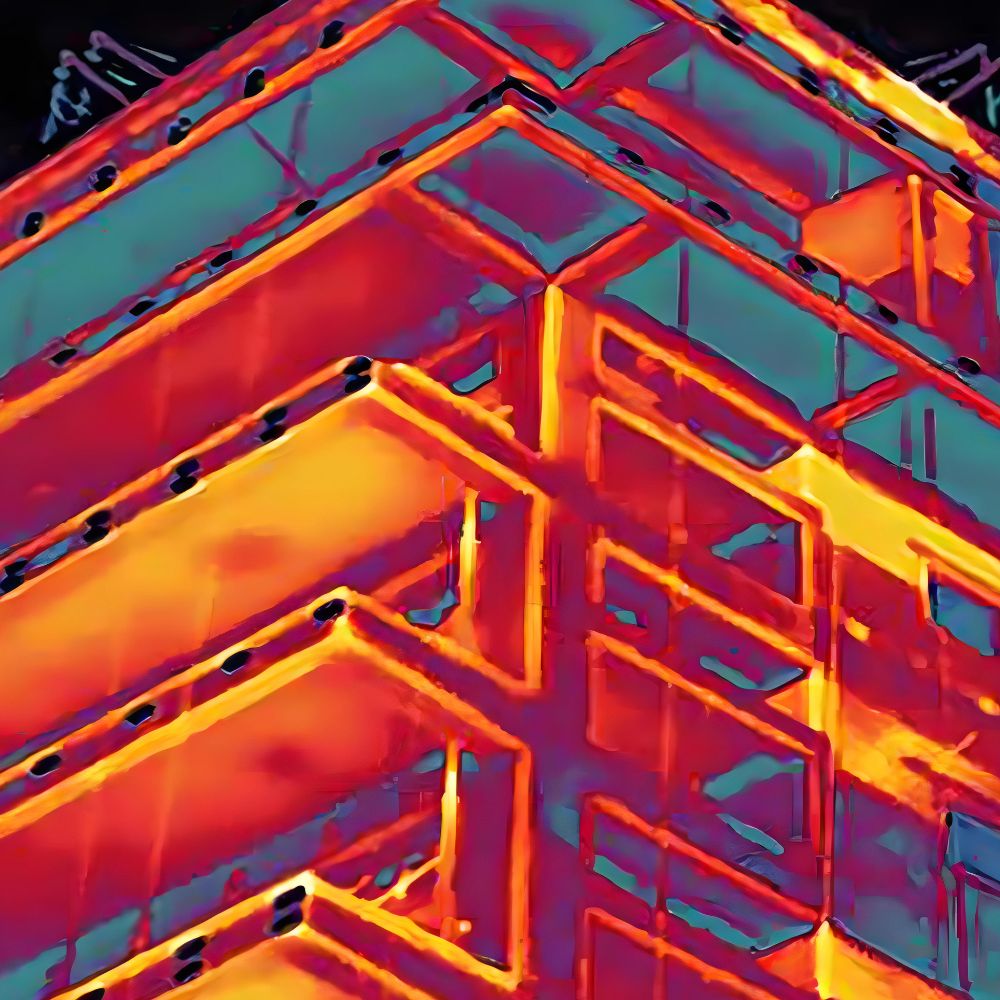
Thermal breaks play a pivotal role in modern construction, particularly in the quest to enhance energy efficiency and comfort within buildings. As the demand for sustainable building practices grows, understanding the mechanisms of heat transfer and the solutions available to mitigate it becomes crucial. Thermal breaks are essential components in the construction industry, designed to interrupt the flow of thermal energy, thereby reducing heat loss or gain. This article delves into the significance of thermal breaks, their applications, and the benefits they offer in preventing heat transfer across various building elements.
Understanding Heat Transfer
Heat transfer occurs through three primary mechanisms: conduction, convection, and radiation. In buildings, conduction is the most significant form of heat transfer, where heat moves through solid materials such as walls, windows, and doors. Without adequate insulation, these areas can become thermal bridges, leading to unwanted heat loss or gain.
- Conduction: The direct transfer of heat through materials in contact.
- Convection: The movement of heat through fluids (liquids or gases), which can occur inside the building envelope.
- Radiation: The transfer of heat through electromagnetic waves, which can contribute to heat gain or loss.
For a detailed understanding of these concepts, discover expert strategies here.
The Function of Thermal Breaks
Thermal breaks are integral in mitigating conductive heat transfer within building assemblies. They are typically installed in areas where materials with high thermal conductivity, such as metal or concrete, are used. By incorporating materials with low thermal conductivity, thermal breaks effectively reduce the rate of heat transfer.
Applications of Thermal Breaks
Thermal breaks are employed in various building components, including:
- Windows and Doors: Thermal breaks are commonly used in aluminum window and door frames to prevent heat conduction through the metal.
- Roofing Systems: In roof assemblies, thermal breaks help reduce heat gain during warmer months and heat loss during cooler months.
- Wall Assemblies: They are used to minimize thermal bridging in wall systems, especially in steel-framed structures.
For tailored solutions and specific applications, learn about our tailored solutions.
Benefits of Using Thermal Breaks
The utilization of thermal breaks offers numerous advantages, including:
- Energy Efficiency: By reducing heat transfer, thermal breaks contribute to maintaining a stable indoor climate, thus lowering energy consumption for heating and cooling.
- Enhanced Comfort: Buildings with thermal breaks offer improved comfort levels by minimizing temperature fluctuations.
- Condensation Control: Thermal breaks help reduce the risk of condensation, which can lead to mold growth and structural damage.
- Environmental Impact: By promoting energy efficiency, thermal breaks contribute to the reduction of greenhouse gas emissions.
To explore advanced guides and tips on maximizing these benefits, explore advanced guides and tips.
Conclusion
Incorporating thermal breaks into building designs is a strategic approach to enhancing energy efficiency and indoor comfort. As the construction industry continues to evolve towards sustainable practices, understanding and applying these components become imperative. Thermal breaks, by effectively reducing heat transfer, play an essential role in achieving these goals. For more information on how thermal breaks can transform building energy performance, find out more about this approach.
About the Author