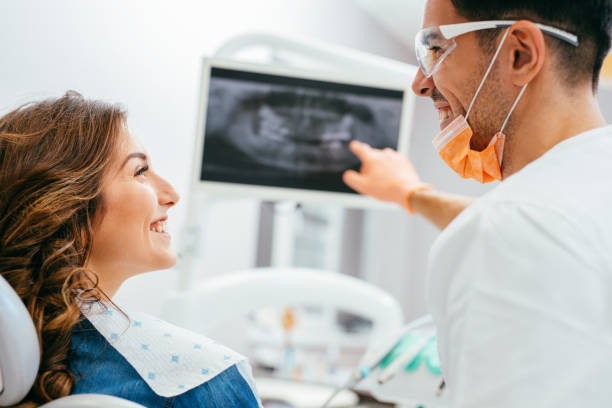
In recent years, the field of dentistry has witnessed significant technological advancements that have transformed the way dental care is delivered. One such advancement is the adoption of digital radiography, a modern alternative to traditional X-ray imaging. Digital radiography offers numerous advantages for both dental professionals and patients, enhancing diagnostic accuracy and improving overall treatment outcomes. This article delves into the benefits of digital radiography in contemporary dental practices, showcasing how this technology is redefining the standards of dental care.
Enhanced Image Quality and Diagnostic Accuracy
Digital radiography provides superior image quality compared to conventional film X-rays. This enhanced clarity enables dental professionals to detect abnormalities with greater precision, facilitating early diagnosis and intervention. The higher resolution images allow for better visualization of dental structures, such as tooth roots and bone density, which is crucial for accurate treatment planning. To explore advanced guides and tips on utilizing digital radiography effectively, discover expert strategies here.
Reduced Radiation Exposure
One of the most significant advantages of digital radiography is the reduction in radiation exposure for patients. Digital X-rays require significantly less radiation compared to traditional film X-rays, making them a safer option, particularly for patients requiring frequent imaging. This reduction in radiation aligns with the commitment to patient safety and health, providing peace of mind to both patients and dental practitioners.
Improved Workflow and Efficiency
The integration of digital radiography into dental practices streamlines workflow and enhances operational efficiency. Digital images are available immediately for review, eliminating the need for film development and reducing waiting times. This instant availability allows for quicker decision-making and treatment planning, ultimately improving patient experience and satisfaction. To learn about our tailored solutions for optimizing dental practice efficiency, find out more about this approach.
Environmentally Friendly
Digital radiography is an eco-friendly alternative to traditional radiographic methods. It eliminates the need for chemical processing and reduces the use of non-biodegradable materials associated with film-based X-rays. This environmentally conscious approach aligns with the growing emphasis on sustainability in healthcare practices, contributing to a greener future.
Advanced Features and Capabilities
Enhanced Image Manipulation
Digital radiography systems offer advanced features such as image manipulation and enhancement tools. Dental professionals can adjust contrast, brightness, and zoom in on specific areas of interest, aiding in a more detailed examination. These capabilities improve the accuracy of diagnosis and treatment planning, ensuring that patients receive the most appropriate care.
Easy Storage and Retrieval
With digital radiography, images are stored electronically, facilitating easy retrieval and sharing. This capability is particularly beneficial in cases where interdisciplinary collaboration is required, as images can be shared seamlessly with specialists and other healthcare providers. To explore more about the integration of digital solutions in dental practices, learn about our tailored solutions.
Conclusion
The transition to digital radiography in dentistry represents a significant leap forward in enhancing patient care and practice management. The benefits, ranging from improved image quality and reduced radiation exposure to increased efficiency and environmental sustainability, underscore the importance of adopting this technology in modern dental practices. As the field continues to evolve, digital radiography stands out as a cornerstone technology that supports the delivery of high-quality dental care. For those interested in understanding how digital advancements are shaping the future of dentistry, explore advanced guides and tips.
About the Author

