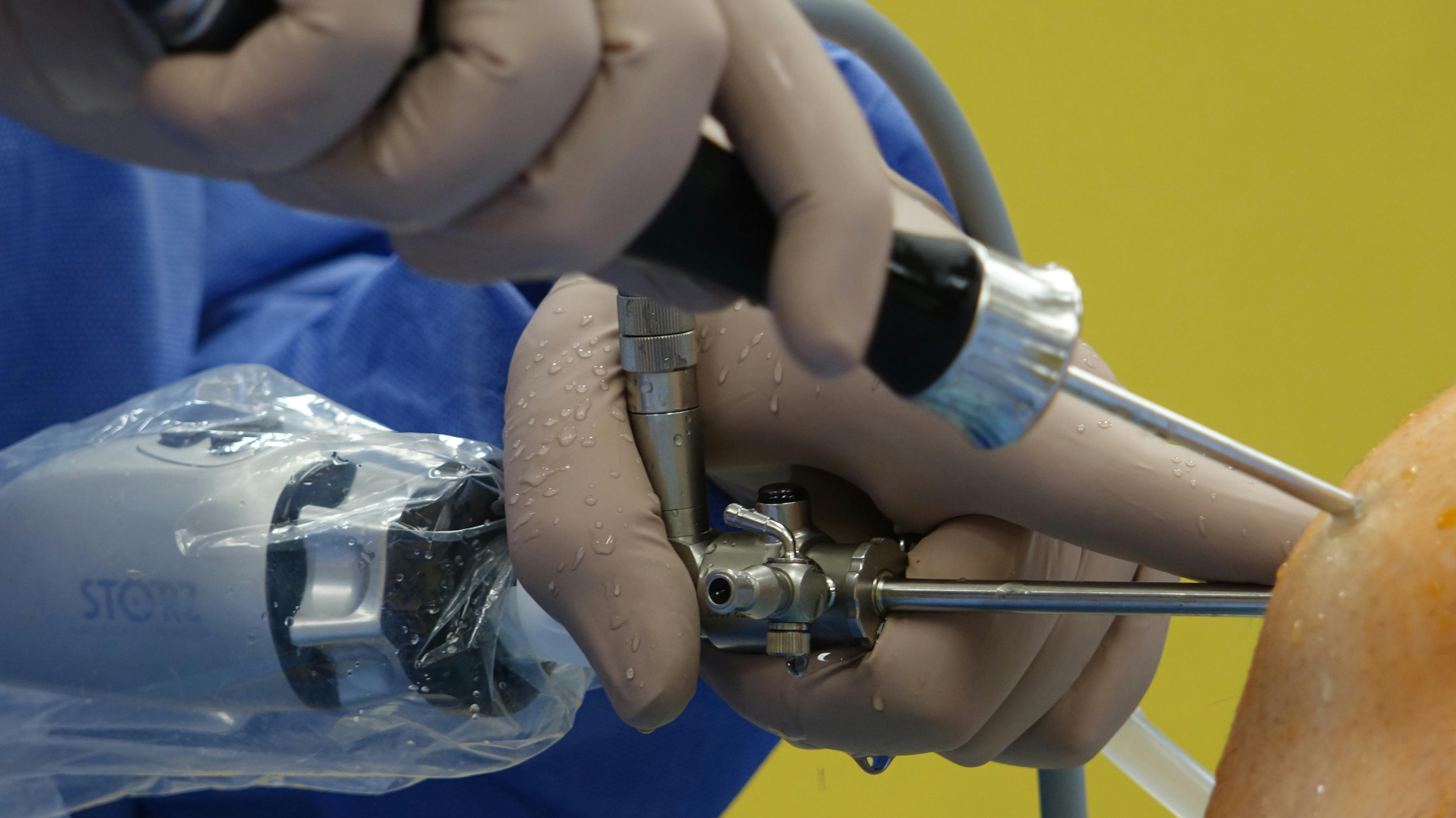
In recent years, clinical endoscopy has emerged as an indispensable procedure in the medical field, offering unparalleled insights into gastrointestinal and other internal systems. However, like all medical procedures, endoscopy is not without its risks. As the demand for this procedure increases, so does the need for enhancing its safety protocols. Recent innovations in endoscopic safety solutions are reshaping the landscape, aiming to minimize procedural risks and improve patient outcomes. These advancements offer promising prospects for both healthcare providers and patients alike, ensuring that endoscopies are not only effective but also safer than ever before.
The Evolution of Endoscopic Safety
Historically, the focus of endoscopic procedures was primarily diagnostic and therapeutic. However, with technological advancements, there has been a significant shift towards prioritizing patient safety. This change has catalyzed the development of new techniques and tools designed to mitigate the risks associated with endoscopy, such as perforation, infection, and patient discomfort.
Key Innovations in Safety
- Advanced Imaging Techniques: New imaging modalities provide clearer views, allowing for more precise diagnostics and reducing the likelihood of errors.
- Improved Sterilization Methods: Enhanced sterilization protocols are being implemented to minimize the risk of infection, a common concern in endoscopic procedures. Read more about this topic.
- Protective Devices: The introduction of specialized devices that shield vulnerable areas during the procedure has been a game-changer in minimizing physical trauma.
Implementing Safety Solutions
The integration of these safety innovations into clinical practice requires a comprehensive approach. It involves updating existing procedural protocols, investing in new equipment, and ensuring the healthcare team is adequately trained in using these advancements. Learn more in this detailed guide.
Training and Education
For successful implementation, ongoing education and training are crucial. Healthcare professionals must be well-versed in the latest safety technologies and techniques. This ensures that all team members are equipped to handle potential complications efficiently and effectively.
Patient Communication
Transparent communication with patients regarding the benefits and risks of endoscopic procedures is essential. Informing patients about the enhanced safety measures can significantly alleviate anxiety and build trust. Explore further insights here.
The Future of Endoscopic Safety
As technology continues to evolve, the future of endoscopic safety is promising. Emerging technologies like artificial intelligence and machine learning are set to further revolutionize the field. These technologies have the potential to enhance diagnostic accuracy, predict complications, and provide real-time decision support during procedures, thereby minimizing risks and improving outcomes.
Moreover, ongoing research into new materials and device designs aims to further reduce the invasiveness of endoscopic procedures. Such innovations are expected to pave the way for safer, more efficient, and comfortable patient experiences. Find additional information here.
Conclusion
The landscape of clinical endoscopy is rapidly changing, driven by advancements in safety solutions. These innovations not only aim to reduce the risks associated with endoscopic procedures but also enhance the overall effectiveness and patient experience. As the medical community continues to embrace these changes, the prospects for endoscopic safety are bright, promising a future where procedures are not only more effective but also safer and more patient-centric. By staying informed and adopting these advancements, healthcare providers can significantly improve patient outcomes and set new standards for safety in endoscopic procedures.
About the Author