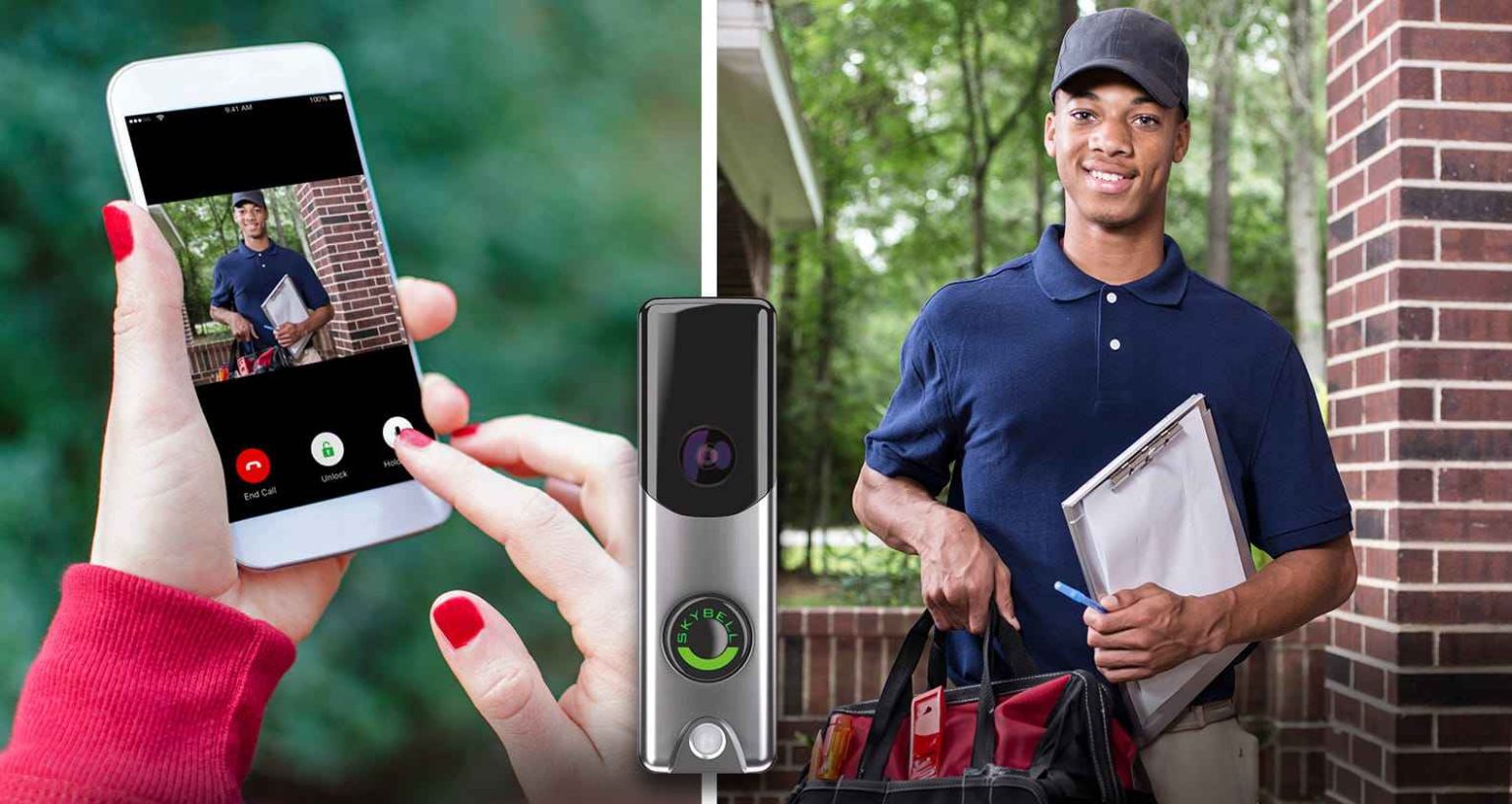
In today’s increasingly connected world, safeguarding property has become more complex and essential than ever. Whether it’s a family residence or a commercial facility, a well-designed security system can deter threats, provide real-time alerts, and give peace of mind. This article explores the key components of professional security systems, the benefits they deliver, and practical steps for selecting and maintaining an effective solution for both homes and businesses.
Core Components of a Professional Security System
1. Surveillance Cameras
High-definition cameras capture clear footage in a range of lighting conditions. Modern units often include features such as motion detection, night vision, and remote viewing via mobile apps.
- Fixed and PTZ (pan-tilt-zoom) options for comprehensive coverage.
- Cloud-based storage for easy retrieval and redundancy.
- Integration with other sensors for automated alerts.
2. Intrusion Detection Sensors
These devices monitor doors, windows, and other entry points for unauthorized access. They typically use magnetic contacts, vibration sensors, or glass break detectors.
- Immediate alarm triggers when a breach is detected.
- Can be linked to lighting or locking mechanisms for layered defense.
- Low-power designs allow for long battery life in wireless setups.
3. Access Control Systems
Access control manages who can enter specific areas, using keycards, biometric readers, or mobile credentials.
- Provides audit trails for employee or resident movement.
- Enables time-based permissions for temporary access.
- Reduces reliance on traditional lock-and-key methods.
4. Environmental Sensors
Beyond intrusion, professional systems often incorporate smoke, carbon monoxide, flood, and temperature sensors to protect against non-intrusive hazards.
- Early detection can prevent costly damage.
- Alerts can be sent directly to smartphones or monitoring centers.
- Integration with HVAC systems can mitigate fire spread.
Benefits of Professional Installation and Monitoring
While DIY kits are available, professional installation ensures optimal placement, system calibration, and seamless integration of all components. Ongoing monitoring services add another layer of security by providing 24/7 oversight.
- Rapid Response: Trained operators can verify alarms and dispatch emergency services promptly.
- Reduced False Alarms: Advanced analytics differentiate between genuine threats and harmless events.
- Scalability: Systems can be expanded as a property grows or requirements change.
- Compliance: Professional setups often meet industry standards for insurance and regulatory purposes.
For a deeper understanding of how monitoring enhances protection, Read more about this topic.
Choosing the Right System for Your Property
Assessing Risk and Needs
Begin by evaluating the specific risks associated with the property. Consider factors such as location, occupancy patterns, valuable assets, and local crime statistics.
- High-traffic commercial spaces may prioritize access control and video analytics.
- Residential homes often focus on perimeter cameras and door/window sensors.
- Industrial facilities might need robust environmental monitoring for hazardous materials.
Budget and Return on Investment
While upfront costs can vary, the long-term savings from prevented losses, lower insurance premiums, and reduced downtime often justify the investment.
- Compare equipment costs against potential loss mitigation.
- Factor in subscription fees for monitoring and cloud storage.
- Seek solutions that allow phased upgrades to manage cash flow.
Integration and Future-Proofing
Choose systems that support open standards and can integrate with smart home or building automation platforms.
- Compatibility with voice assistants, lighting controls, and HVAC systems.
- Ability to add new sensors or cameras without replacing the entire network.
- Regular firmware updates to address emerging security threats.
For guidance on selecting a scalable solution, Explore further insights here.
Maintenance Best Practices
Even the most advanced security system requires regular upkeep to remain effective.
- Routine Inspections: Verify camera lenses are clean and sensors are unobstructed.
- Battery Checks: Replace or recharge backup batteries annually.
- Software Updates: Apply firmware patches promptly to close vulnerabilities.
- Testing Alerts: Conduct monthly drills to ensure alarms trigger correctly and monitoring centers respond as expected.
Additional tips on maintaining optimal performance can be found by Find additional information here.
Conclusion
Investing in a professional security system is a strategic decision that protects assets, enhances safety, and supports operational continuity. By understanding core components, leveraging expert installation and monitoring, and committing to regular maintenance, property owners can create a resilient defense against both physical intrusions and environmental hazards. The right system not only deters crime but also provides valuable data that can improve overall management and response strategies.
About the Author