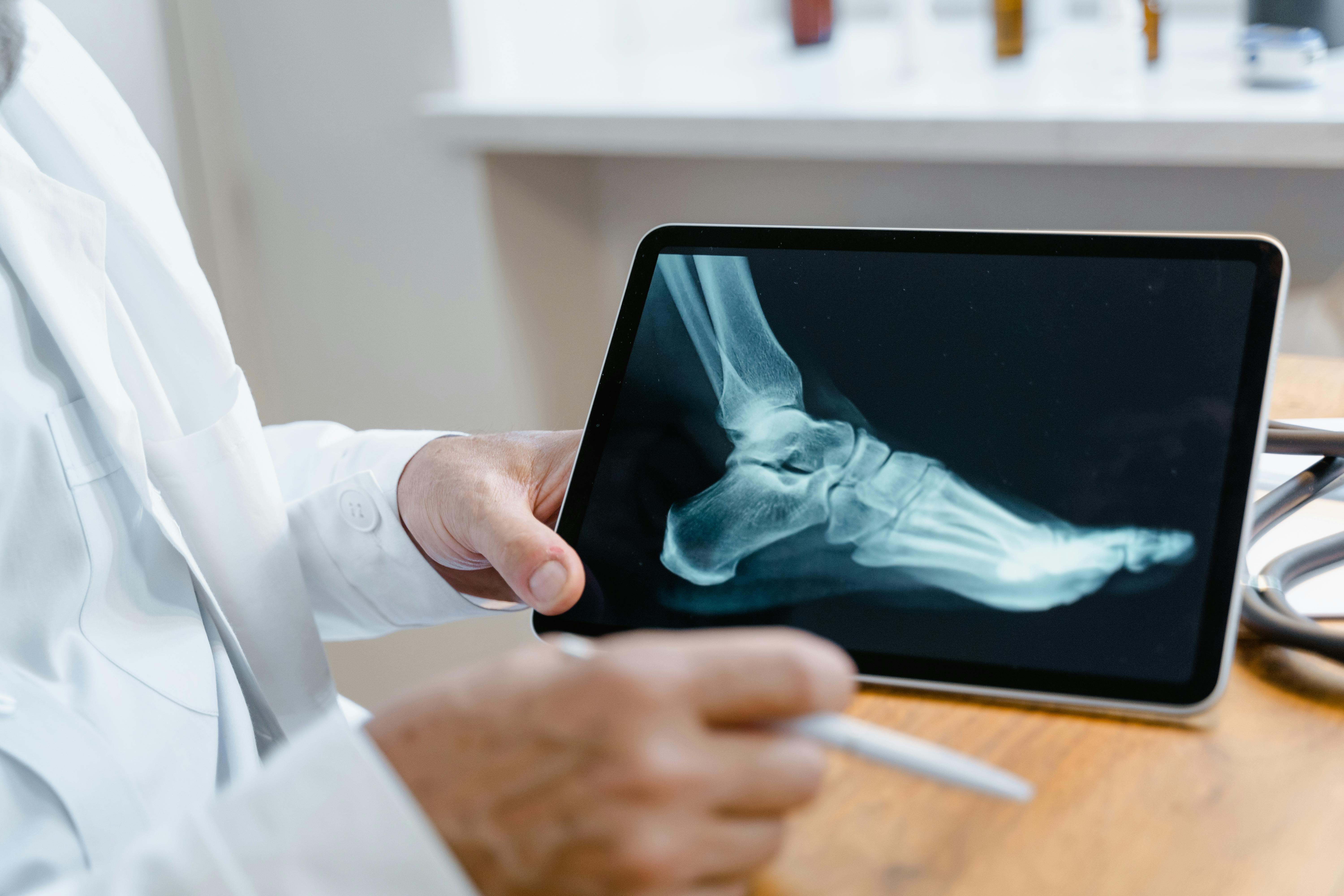
Orthopedic conditions can significantly impact an individual’s quality of life, affecting mobility and daily activities. Understanding that each patient is unique, personalized orthopedic treatment plans have become essential. These plans are tailored to meet the specific needs of the patient, considering factors such as the severity of the condition, the patient’s lifestyle, and their overall health goals. Personalized treatment ensures that patients receive the most effective care, optimizing recovery and improving outcomes.
Components of Personalized Orthopedic Treatment Plans
Personalized treatment plans in orthopedics are comprehensive and multifaceted, often involving various components to ensure holistic care. Here are some key components:
- **Initial Assessment and Diagnosis**: The process begins with a thorough evaluation to diagnose the condition accurately. This includes physical examinations, medical history reviews, and diagnostic imaging techniques.
- **Goal Setting**: Patients are involved in setting realistic and achievable goals that align with their personal health objectives and lifestyle requirements.
- **Customized Rehabilitation Programs**: Tailored rehabilitation programs are designed, incorporating physical therapy, occupational therapy, and other modalities as needed.
- **Surgical and Non-Surgical Options**: Depending on the condition, the plan may include surgical interventions or non-surgical treatments such as medication, injections, or lifestyle modifications.
- **Continuous Monitoring and Adjustments**: Regular follow-ups and adjustments to the treatment plan are crucial for accommodating changes in the patient’s condition or response to treatment.
Benefits of Personalized Orthopedic Care
Personalized orthopedic treatment plans offer several benefits that contribute to better patient outcomes:
- **Enhanced Patient Engagement**: By involving patients in their treatment plans, they are more likely to be engaged and committed to their recovery.
- **Optimized Treatment Efficacy**: Tailored plans ensure that treatments are specifically designed for the patient’s unique needs, leading to more effective results.
- **Improved Recovery Rates**: Personalized care often results in faster recovery times and reduced risk of complications.
- **Reduced Healthcare Costs**: By providing targeted treatments, personalized plans can help to reduce unnecessary procedures and associated costs.
For further insights into the benefits of personalized orthopedic care, read more about this topic.
Technological Advances in Orthopedic Personalization
Technology plays a pivotal role in enhancing personalized orthopedic treatments. Advancements have led to more precise and effective care. Some of the technological contributions include:
3D Imaging and Printing
3D imaging technologies allow for detailed visualization of orthopedic conditions, aiding in accurate diagnosis and treatment planning. Additionally, 3D printing is used to create customized implants and prosthetics that fit the patient’s anatomy perfectly.
Telemedicine and Remote Monitoring
Telemedicine facilitates remote consultations and monitoring, allowing patients to receive expert care without the need for frequent in-person visits. This is particularly beneficial for follow-up care and ensuring adherence to treatment plans.
Explore further insights here about the role of technology in modern orthopedic practices.
Challenges in Implementing Personalized Treatment Plans
While the benefits of personalized orthopedic treatment are significant, there are challenges that must be addressed:
- **Resource Availability**: Personalized care requires access to advanced diagnostic tools and technologies, which may not be available in all healthcare settings.
- **Patient Variability**: Each patient responds differently to treatments, requiring constant adjustments and monitoring of treatment plans.
- **Cost Implications**: Although personalized plans can reduce overall healthcare costs, the initial investment in specialized resources and technology can be high.
To understand more about these challenges and potential solutions, find additional information here.
Conclusion
Personalized orthopedic treatment plans represent a significant advancement in patient care. By focusing on the unique needs of each patient, these plans offer tailored solutions that enhance recovery and improve quality of life. Continuous advancements in technology and a commitment to patient-centered care will further strengthen the effectiveness of personalized treatment approaches in orthopedics. To dive deeper into this subject, learn more in this detailed guide.
About the Author