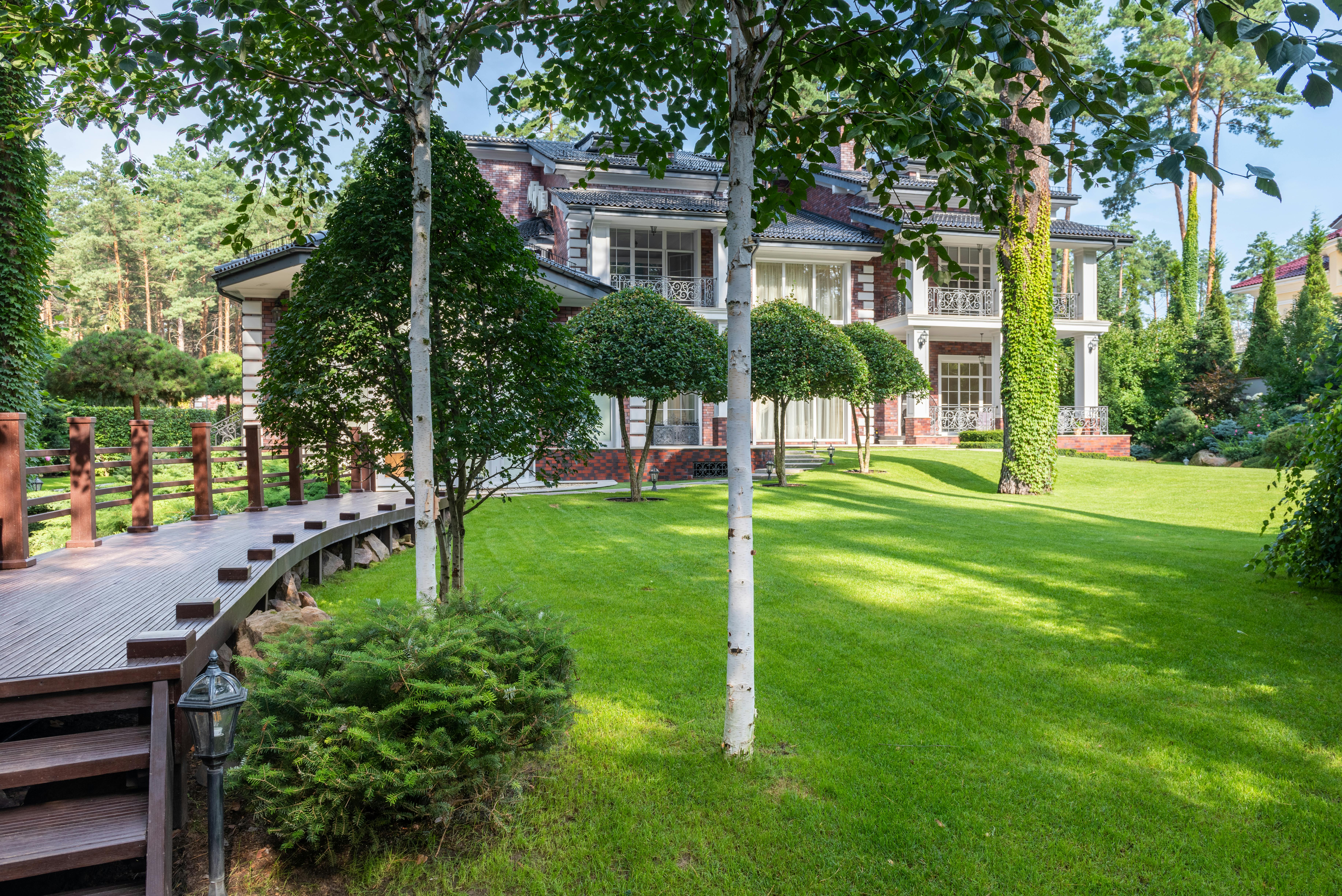
Transforming an outdoor area from a simple lawn into a functional, aesthetically pleasing extension of a home can dramatically increase both enjoyment and property value. Professional landscaping services bring expertise in design, plant selection, and construction that ensures a cohesive look, sustainable practices, and long-term durability. By leveraging skilled planning and execution, homeowners can achieve a personalized outdoor sanctuary that reflects their lifestyle while meeting practical considerations such as drainage, soil health, and maintenance requirements.
Benefits of Hiring Professional Landscapers
While DIY projects can be rewarding, professional landscapers provide several distinct advantages that often outweigh the cost savings of a self-directed approach.
- Design Expertise: Certified designers understand spatial planning, color theory, and plant ecology, creating balanced compositions that flow naturally.
- Technical Knowledge: Proper grading, irrigation systems, and hardscape installation require precise calculations to prevent erosion and water waste.
- Time Efficiency: Skilled crews complete projects faster, reducing disruption to daily life.
- Access to Resources: Professionals have relationships with nurseries and suppliers, securing high-quality plants and materials at better prices.
- Long-Term Value: Well-executed landscaping can increase resale value and curb appeal, offering a solid return on investment.
For a deeper understanding of how these benefits translate into real-world outcomes, Read more about this topic.
Key Elements of a Successful Landscape Design
1. Site Analysis and Planning
A thorough site analysis evaluates soil type, sun exposure, wind patterns, and existing vegetation. This information guides the selection of appropriate plant species and informs decisions about hardscape placement, such as patios, walkways, and retaining walls.
2. Plant Selection and Arrangement
Choosing plants that thrive in the local climate reduces maintenance and water usage. Professionals consider factors like:
- Native versus exotic species
- Seasonal interest (flowering, foliage color, fruit)
- Growth habits and mature size
- Water requirements and drought tolerance
Learn more in this detailed guide.
3. Hardscape Integration
Hardscape components, such as decks, pergolas, stone pathways, and water features, provide structure and functional zones. Proper integration ensures that these elements complement the planting scheme and enhance usability.
4. Sustainable Practices
Modern landscaping emphasizes sustainability through:
- Rainwater harvesting and efficient irrigation
- Mulching to retain soil moisture
- Use of permeable paving to reduce runoff
- Selection of low-maintenance, native plants
Explore further insights here by visiting this resource.
Typical Services Offered by Professional Landscapers
Landscaping firms provide a broad range of services that can be tailored to specific project scopes.
- Concept Development: Initial sketches, 3D renderings, and material boards to visualize the final design.
- Site Preparation: Clearing, grading, soil amendment, and installation of drainage systems.
- Plant Installation: Precise placement of trees, shrubs, groundcovers, and seasonal plantings.
- Hardscape Construction: Building patios, retaining walls, fire pits, and outdoor kitchens.
- Irrigation and Lighting: Designing automated watering systems and low-voltage landscape lighting for safety and ambiance.
- Maintenance Programs: Ongoing care including pruning, fertilization, pest management, and seasonal clean-ups.
For a comprehensive list of services and how they interrelate, Find additional information here.
Budget Considerations and Cost-Effective Strategies
Understanding the financial aspects of a landscaping project helps homeowners make informed decisions. While high-end materials and intricate designs can elevate costs, several strategies keep budgets in check without sacrificing quality.
- Phased Implementation: Prioritize essential elements first and add features over time.
- Reuse Existing Features: Incorporate mature trees or existing hardscape into the new design.
- Choose Native Plants: Reduce long-term water and maintenance expenses.
- Opt for Simple Geometry: Straightforward layouts often require less labor and material.
Guidance on budgeting and cost-saving measures can be found by exploring further insights here.
Maintenance Best Practices for Longevity
Even the most expertly designed landscape requires regular upkeep to retain its beauty and functionality. Professional landscapers typically recommend the following maintenance schedule:
- Weekly: Inspect for pests, remove debris, and water as needed.
- Monthly: Prune flowering shrubs, check irrigation zones, and mulch beds.
- Seasonally: Fertilize according to plant needs, aerate soil, and prepare for extreme weather.
Adhering to these practices ensures that the outdoor space remains vibrant year after year. For a detailed maintenance calendar, Read more about this topic.
Conclusion
Investing in professional landscaping services offers a strategic pathway to creating an outdoor environment that balances aesthetic appeal, functionality, and sustainability. By leveraging expert design, precise construction, and ongoing maintenance, homeowners can enjoy a personalized landscape that enhances daily living and adds lasting value to the property. Whether starting from a blank canvas or revitalizing an existing garden, the collaborative process with skilled landscapers turns vision into reality while respecting budget and ecological considerations.
About the Author