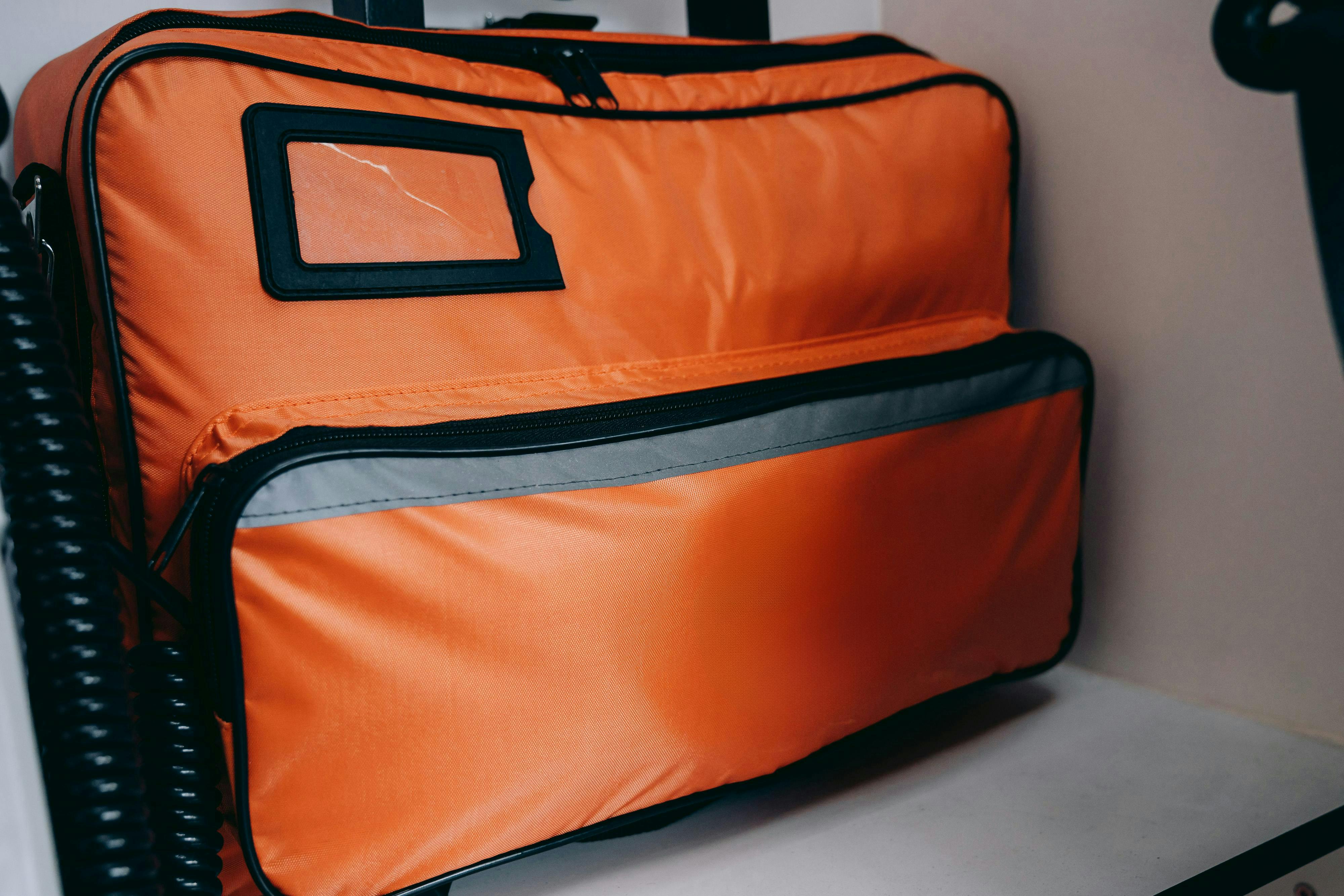
Planning a vacation that includes every member of the family can feel like solving a complex puzzle. From choosing kid-friendly activities to coordinating schedules, the logistics are already demanding, adding the question of what could go wrong only heightens the stress. A single-trip family travel insurance policy offers a streamlined solution, delivering comprehensive protection for all ages under one plan. By covering unexpected medical expenses, trip cancellations, and baggage mishaps, it allows families to focus on creating memories rather than worrying about the “what-ifs.”
Why Choose a Single-Trip Policy for the Whole Family?
Travel insurance is often thought of as an adult-only concern, yet families face unique risks that merit a dedicated approach. A single-trip policy designed for families provides:
- Uniform coverage limits for parents and children, eliminating the need to purchase separate plans.
- Simplified claims processing through one policy number and a single point of contact.
- Cost efficiency because insurers typically offer discounts when multiple travelers are added to the same plan.
- Peace of mind that every family member, from newborns to grandparents, is protected against medical emergencies, trip interruptions, and lost belongings.
For a deeper dive into the benefits of a consolidated family plan, Discover expert strategies here.
Key Coverage Areas to Look For
Medical Emergencies
Health care costs abroad can quickly become overwhelming, especially for children who may require pediatric specialists. Essential medical coverage should include:
- Hospitalization and surgery expenses.
- Emergency medical evacuation to the nearest appropriate facility.
- Out-patient treatment, prescription medications, and routine doctor visits.
- Coverage for pre-existing conditions, if applicable.
Trip Cancellation & Interruption
Family trips are vulnerable to sudden changes, school closures, illness, or unexpected work commitments can force a cancellation. Look for policies that reimburse:
- Non-refundable airline tickets and accommodation fees.
- Pre-paid tours, activity fees, and event tickets.
- Additional travel expenses incurred due to a delayed return.
Baggage and Personal Belongings
When traveling with children, luggage often contains essential items such as medication, formula, and comfort objects. Adequate baggage protection should cover:
- Lost, stolen, or damaged baggage.
- Delayed baggage compensation for essential purchases.
- Personal effects like electronics, cameras, and travel documents.
How to Choose the Right Policy
Not all travel insurance policies are created equal. Selecting the optimal plan requires a systematic assessment of the family’s specific needs.
- Assess the destination’s health infrastructure. Countries with limited medical facilities may necessitate higher evacuation coverage.
- Calculate total trip cost. This figure determines the maximum reimbursement for cancellation and interruption.
- Identify age-specific requirements. Infants may need coverage for birth-related complications, while seniors might require higher medical limits.
- Review exclusions. Common exclusions include high-risk activities, unreported pre-existing conditions, and travel to sanctioned regions.
For a step-by-step guide on evaluating these factors, Learn about our tailored solutions.
Practical Tips for Using Family Travel Insurance
- Keep documentation handy. Store digital copies of policy numbers, emergency contacts, and medical records on each traveler’s device.
- Notify the insurer immediately. Prompt reporting of a medical incident or trip disruption speeds up claim processing.
- Maintain receipts. Detailed receipts for medical bills, accommodation, and replacement items are essential for reimbursement.
- Understand the claim timeline. Most insurers require a claim to be filed within a specific window (often 30 days) after the event.
Cost Considerations
The price of a family single-trip policy varies based on several variables:
| Factor | Impact on Premium |
|---|---|
| Destination risk level | Higher medical costs in regions with expensive health care raise premiums. |
| Trip duration | Longer trips increase exposure, leading to higher rates. |
| Age of travelers | Senior travelers often incur higher medical limits, affecting overall cost. |
| Coverage limits | Choosing higher limits for medical and evacuation boosts the price but adds security. |
Balancing affordability with sufficient protection is crucial. A modest increase in premium can prevent a far larger out-of-pocket expense should an emergency arise.
Real-World Scenarios Illustrating Value
Scenario 1 – Sudden Illness in a Tropical Destination
A family of four traveling to a Caribbean resort experiences a severe bout of food poisoning. The children require hospitalization, and the nearest suitable facility is 150 miles away. With a comprehensive family travel insurance plan, the cost of emergency evacuation, hospital stay, and medication is fully covered, sparing the family from an unexpected $12,000 bill.
Scenario 2 – Flight Cancellation Due to a Snowstorm
During a winter ski trip, a sudden snowstorm forces the airline to cancel the return flight. The policy reimburses non-refundable lodging and the cost of a new flight, allowing the family to adjust their itinerary without financial loss.
Final Thoughts
Traveling with family should be a rewarding experience, not a source of anxiety. A single-trip family travel insurance policy consolidates protection, simplifies administration, and offers financial safeguards that cater to the diverse needs of every traveler, from infants to grandparents. By selecting a plan that aligns with the destination, duration, and specific health considerations, families can embark on their adventures with confidence.
For additional guidance on selecting the most appropriate coverage, Explore advanced guides and tips.
About the Author