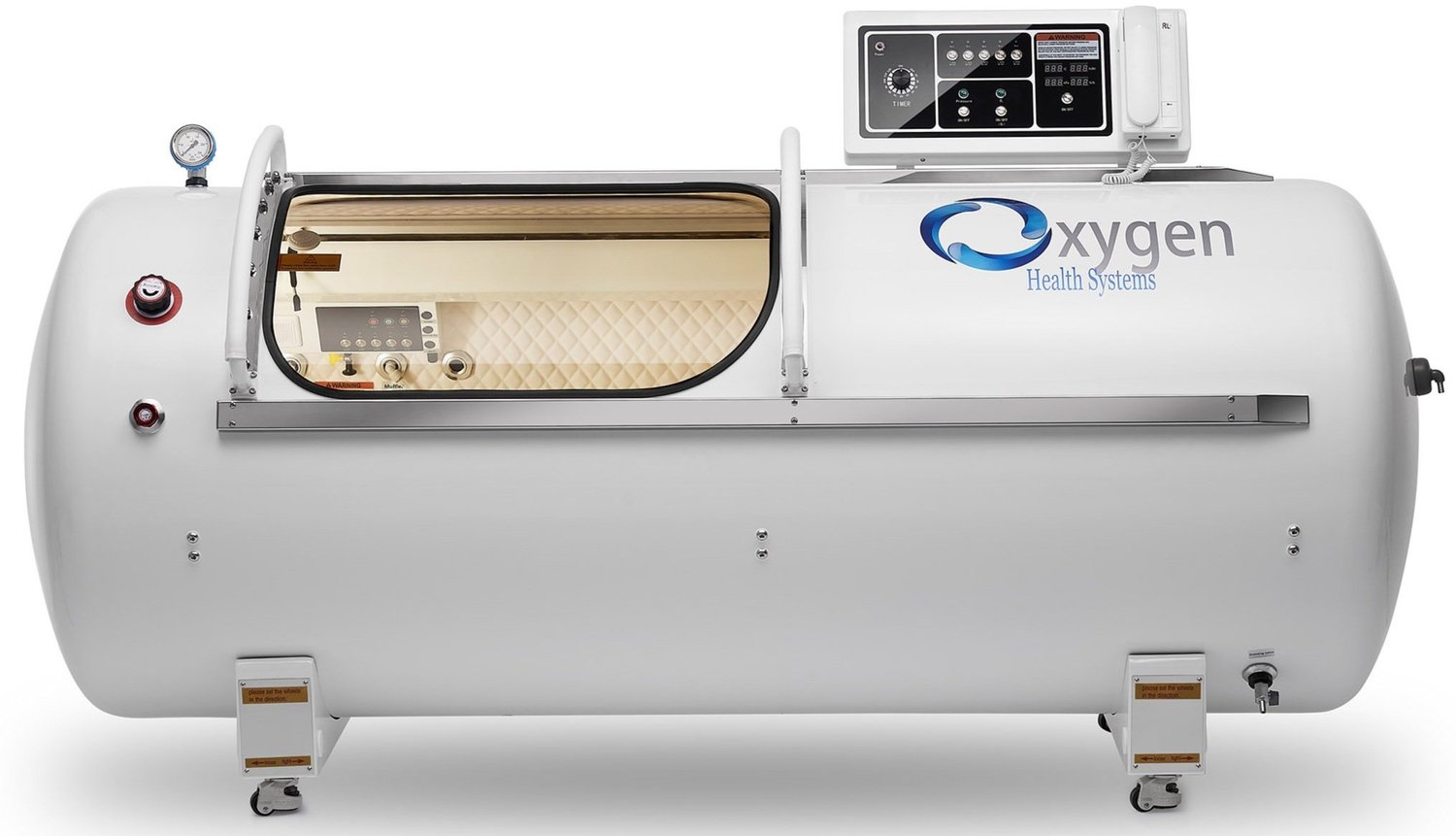
Multiple sclerosis (MS) is a chronic, immune-mediated disease that attacks the central nervous system, leading to a wide range of neurological symptoms. While disease-modifying therapies remain the cornerstone of management, patients and clinicians are increasingly exploring adjunctive treatments that may improve quality of life and functional outcomes. One such adjunct is hyperbaric oxygen therapy (HBOT), delivered in a hyperbaric chamber. By exposing the body to 100% oxygen at pressures greater than atmospheric levels, HBOT can enhance tissue oxygenation, reduce inflammation, and promote neurorepair, processes that are particularly relevant to the demyelinating pathology of MS.
Understanding Hyperbaric Oxygen Therapy
HBOT involves breathing pure oxygen inside a sealed chamber while the ambient pressure is increased, typically to 1.5-2.5 atmospheres absolute (ATA). This pressure elevation dissolves significantly more oxygen into the bloodstream, allowing it to reach tissues that might be hypoxic due to impaired blood flow or inflammatory processes.
Key Physiological Effects
- Enhanced Oxygen Delivery: Oxygen is carried not only by hemoglobin but also dissolved directly in plasma, reaching areas with compromised circulation.
- Anti-Inflammatory Action: HBOT down-regulates pro-inflammatory cytokines and up-regulates anti-inflammatory mediators.
- Neurogenesis and Remyelination: Preclinical studies suggest that increased oxygen tension can stimulate stem cell proliferation and support myelin repair.
- Improved Mitochinal Function: Higher oxygen availability supports cellular energy production, which may counteract fatigue, a common MS symptom.
Evidence Supporting HBOT for Multiple Sclerosis
Clinical data on HBOT in MS are still emerging, but several studies provide encouraging signals:
- A 2016 pilot trial reported reductions in fatigue scores and improvements in walking distance after a 20-session HBOT protocol.
- Neuroimaging research has shown decreased lesion activity and increased cerebral blood flow in patients receiving HBOT alongside standard disease-modifying drugs.
- Patient-reported outcomes frequently highlight enhanced mental clarity and reduced spasticity after treatment cycles.
While larger randomized controlled trials are needed, the existing evidence positions HBOT as a promising adjunctive therapy for symptom management and possibly disease modification.
Practical Considerations for Patients
Eligibility and Safety
Not everyone is a candidate for hyperbaric treatment. Contraindications include untreated pneumothorax, certain lung diseases, and recent ear or sinus surgery. Most reputable centers conduct a thorough medical screening before initiating therapy.
Typical Treatment Protocols
- Frequency: Sessions are often scheduled 5-6 days per week.
- Duration: Each session lasts 60-90 minutes, including pressurization and decompression phases.
- Total Course: Protocols range from 20 to 40 sessions, depending on individual response and therapeutic goals.
Integrating HBOT with Standard MS Care
Hyperbaric therapy should complement, not replace, conventional disease-modifying medications, physical therapy, and lifestyle interventions. Coordination with a neurologist ensures that HBOT is timed appropriately around other treatments, minimizing potential drug interactions or overlapping side effects.
Choosing the Right Hyperbaric Facility
When seeking a hyperbaric chamber for MS, consider the following criteria:
- Accreditation: Verify that the center follows guidelines set by the Undersea and Hyperbaric Medical Society (UHMS).
- Specialized Staff: Look for clinicians experienced in treating neurological conditions.
- Outcome Tracking: Facilities that systematically record patient progress can provide valuable feedback on treatment efficacy.
For detailed guidance on selecting a qualified provider, Discover expert strategies here.
Potential Benefits Beyond Symptom Relief
Beyond immediate symptom improvement, HBOT may offer longer-term advantages for individuals with MS:
- Neuroprotective Effects: By mitigating oxidative stress, HBOT could help preserve neuronal integrity.
- Enhanced Rehabilitation Outcomes: Improved oxygenation may augment the effectiveness of physical and occupational therapy sessions.
- Quality-of-Life Gains: Reduced fatigue and pain often translate into greater participation in daily activities and social engagements.
Frequently Asked Questions
Is HBOT painful?
The sensation of pressurization is similar to that experienced during air travel. Most patients find it comfortable, though ear-clearing techniques may be necessary.
How soon can results be expected?
Some individuals notice improvements within the first two weeks, while others experience gradual benefits over the full course of treatment.
Can HBOT be combined with other complementary therapies?
Yes, many patients integrate HBOT with acupuncture, yoga, or dietary interventions, provided each modality is discussed with their healthcare team.
Conclusion
Hyperbaric oxygen therapy represents a scientifically grounded, low-risk option that may enhance the therapeutic arsenal for multiple sclerosis. By improving tissue oxygenation, dampening inflammation, and supporting neurorepair mechanisms, HBOT can address both the physical and cognitive challenges of the disease. As research continues to clarify its role, patients seeking comprehensive care should explore hyperbaric treatment as a complementary strategy. For a deeper dive into how this approach fits within the broader landscape of MS management, Explore advanced guides and tips.
About the Author