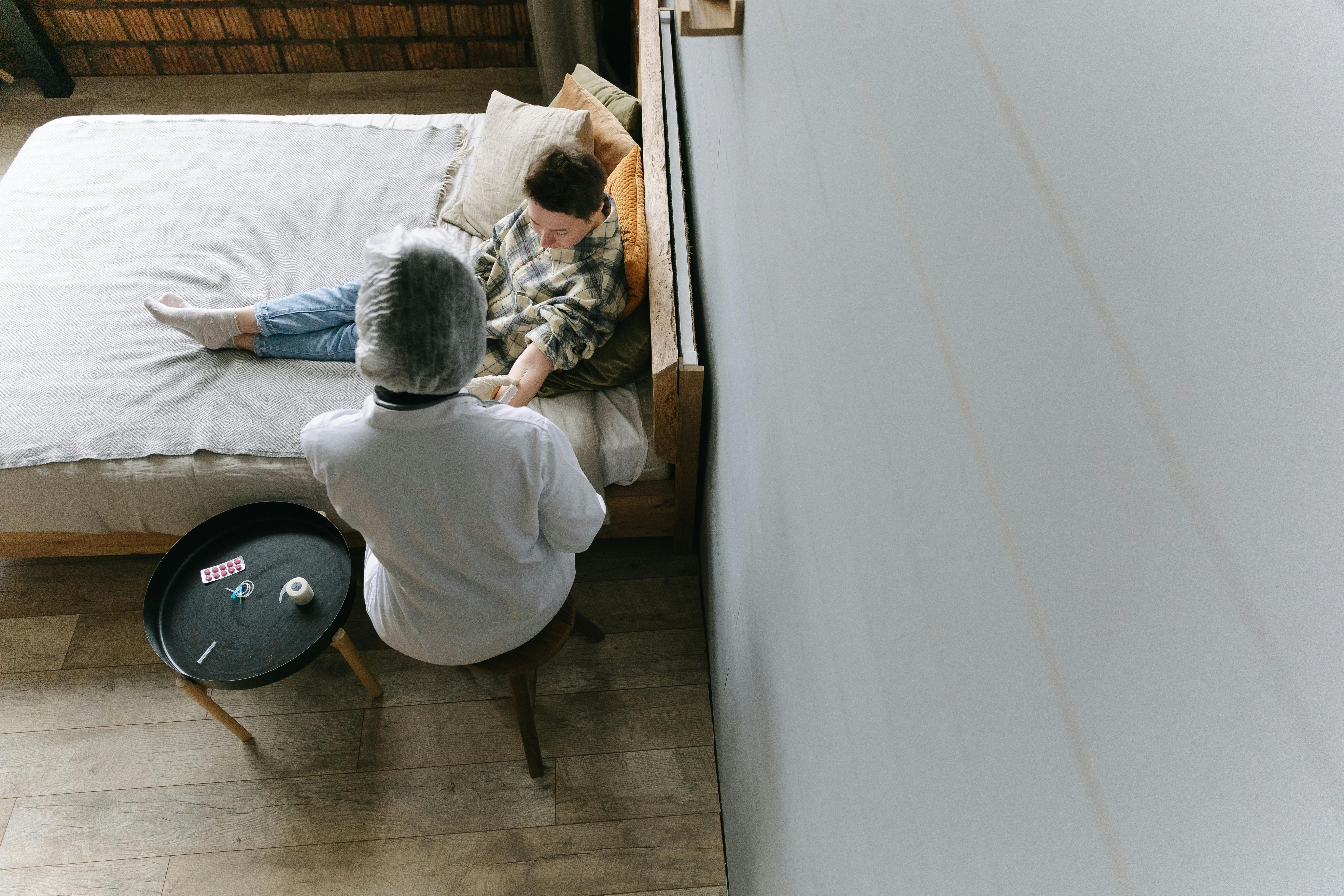
Finding a safe and nurturing environment for children in Hurlstone Park is a priority for families who value both security and early development. Parents often ask how to evaluate childcare options, what safety standards should be met, and which practices truly support a child’s growth. This article outlines the essential criteria for safe childcare, highlights key features of quality daycare centres in Hurlstone Park, and provides actionable guidance for making an informed choice.
Understanding Safety Standards in Childcare
Safety is the foundation of any reputable early-learning setting. The following standards are commonly required by local authorities and should be verified during any site visit:
- Compliance with NSW Early Childhood Education and Care regulations.
- Regularly updated emergency evacuation plans.
- Secure entry systems and visitor sign-in procedures.
- Child-proofed indoor and outdoor spaces, including safe flooring and age-appropriate equipment.
- Staff training in first aid, CPR, and child protection policies.
For families seeking a centre that consistently meets these benchmarks, Discover expert strategies here offers a practical checklist that can be used during tours.
Key Features of Quality Daycare in Hurlstone Park
Qualified and Caring Staff
Educators with early childhood qualifications bring both expertise and empathy to the classroom. Look for:
- Certificates in Early Childhood Education (e.g., Diploma or Bachelor level).
- Ongoing professional development in child development and inclusive practices.
- Low child-to-staff ratios that allow for individualized attention.
Curriculum and Learning Environment
A well-structured curriculum supports cognitive, social, and emotional growth. Effective programmes typically include:
- Play-based learning that aligns with the Early Years Learning Framework.
- Outdoor exploration areas that promote physical health and curiosity.
- Regular assessment and feedback loops with parents.
Parents interested in a centre that tailors its curriculum to each child’s needs can Learn about our tailored solutions to see how personalised learning plans are implemented.
Health and Nutrition Policies
Nutrition and hygiene are integral to a safe environment. Centres should demonstrate:
- Balanced meal plans that meet Australian Dietary Guidelines.
- Strict hand-washing routines before meals and after outdoor play.
- Allergy management protocols and clear communication with families.
Evaluating a Daycare Centre: A Step-by-Step Guide
- Research Online: Review the centre’s website for licensing information, staff credentials, and parent testimonials.
- Schedule a Tour: Observe classroom interactions, safety measures, and cleanliness.
- Ask Targeted Questions: Inquire about emergency drills, staff turnover, and how the centre handles illness outbreaks.
- Check References: Speak with other parents in the community for real-world feedback.
- Review the Contract: Ensure policies on fees, pick-up procedures, and grievance handling are transparent.
For a comprehensive checklist that covers each of these steps, Explore advanced guides and tips provides detailed insights specific to Hurlstone Park providers.
Community Support and Accessibility
Daycare centres that actively engage with the local community often create a richer experience for children. Consider whether the centre:
- Partners with nearby parks and libraries for field trips.
- Offers flexible hours to accommodate working parents.
- Provides transport options or is located near public transport routes.
Understanding how a centre integrates with Hurlstone Park’s community can help families feel confident that their child is part of a supportive network.
Conclusion
Choosing safe childcare in Hurlstone Park involves assessing regulatory compliance, staff qualifications, curriculum quality, health policies, and community involvement. By following the outlined evaluation steps and referencing trusted resources, parents can make a decision that aligns with their child’s safety and developmental needs. The right daycare not only safeguards children but also lays the groundwork for lifelong learning and confidence.
About the Author