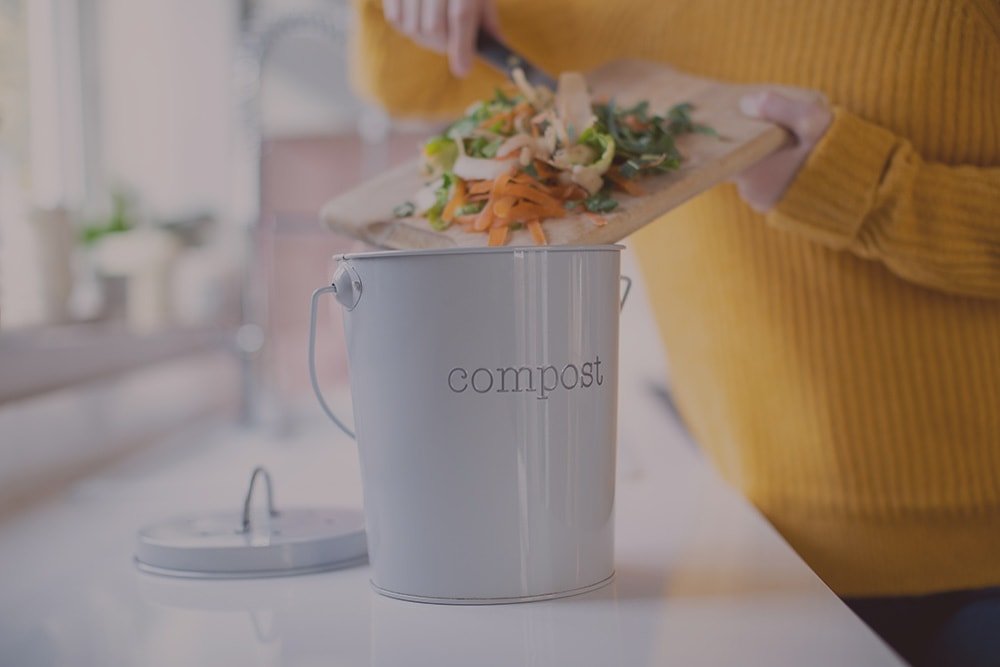
Office kitchens generate a surprising amount of food waste every day, leftover lunches, coffee grounds, and snack wrappers pile up in bins that are often sent straight to landfill. Turning that waste into a valuable resource not only reduces the office’s environmental footprint but also demonstrates a genuine commitment to sustainability. By partnering with a professional food-waste compost service, businesses can transform discarded food into nutrient-rich compost that supports local agriculture, green spaces, and circular-economy initiatives. The result is a measurable boost to a company’s green credentials and a tangible contribution to a healthier planet.
Why Office Food Waste Composting Matters
Understanding the impact of food waste is the first step toward meaningful change. Consider the following statistics:
- Food waste accounts for roughly 30% of all municipal solid waste in many cities.
- When food ends up in a landfill, it decomposes anaerobically, releasing methane, a greenhouse gas 28 times more potent than CO₂.
- Composting diverts waste from landfills, reduces methane emissions, and creates a product that can improve soil health.
For offices that aim to align with ESG (Environmental, Social, and Governance) goals, a compost service provides a clear, auditable metric: the amount of waste diverted and the volume of compost produced.
Key Benefits of a Professional Compost Service
Environmental Impact
- Reduced greenhouse-gas emissions: Diverting food waste from landfill cuts methane release.
- Soil enrichment: Compost adds organic matter, improving water retention and reducing the need for synthetic fertilizers.
- Resource conservation: Less waste means lower transportation costs and fuel consumption for collection trucks.
Operational Advantages
- Simple integration: Specialized bins and scheduled pickups fit seamlessly into existing waste-management routines.
- Employee engagement: Visible composting programs encourage staff to be mindful of waste, fostering a culture of sustainability.
- Regulatory compliance: Many municipalities offer incentives or impose penalties related to waste diversion; composting helps meet or exceed those requirements.
Implementing a Food-Waste Compost Program in the Office
Launching a successful compost initiative involves several practical steps. Below is a roadmap that can be adapted to any office size.
1. Assess Current Waste Streams
Begin with a waste audit to quantify the volume and types of food waste generated. This data will inform the size of the compost service needed and help set realistic diversion targets.
2. Choose the Right Service Provider
Look for a provider that offers:
- Dedicated food-waste collection bins (usually 32-64 gal).
- Regular, reliable pickup schedules that align with office hours.
- Transparent reporting on waste diverted and compost produced.
For detailed guidance on selecting a partner that understands office environments, Discover expert strategies here.
3. Set Up Collection Stations
Place clearly labeled compost bins in high-traffic areas such as kitchens, break rooms, and near coffee stations. Provide simple signage that explains what can and cannot be composted.
4. Train Employees
Conduct brief training sessions or share quick-reference guides that cover:
- What items are compostable (fruit peels, coffee grounds, dairy, etc.).
- How to properly dispose of waste to avoid contamination.
- The environmental benefits of participation.
5. Monitor and Report
Regularly review the provider’s reports to track progress against diversion goals. Share successes with the workforce through newsletters or internal dashboards to maintain momentum.
Case Study: A Mid-Size Tech Firm Reduces Waste by 45%
One technology company with 250 employees partnered with a local compost service. After a three-month pilot, the firm reported:
- 45% reduction in total food-waste sent to landfill.
- Production of 2,200 kg of compost, which was donated to a community garden.
- Positive employee feedback, with 78% of staff indicating increased pride in the workplace’s sustainability efforts.
The firm’s sustainability report highlighted the compost program as a key driver of its improved ESG rating, demonstrating how a relatively small operational change can yield significant reputational benefits.
Integrating Composting with Broader Sustainability Initiatives
Composting works best when it is part of a holistic approach to office sustainability. Consider pairing it with:
- Zero-waste procurement policies (e.g., bulk purchasing, reusable containers).
- Energy-efficiency upgrades such as LED lighting and smart thermostats.
- Green commuting incentives like bike-share programs or public-transport subsidies.
For a deeper dive into how composting complements other green strategies, Explore advanced guides and tips.
Measuring Success and Communicating Impact
Quantifiable metrics are essential for demonstrating the value of a compost program to stakeholders. Typical KPIs include:
- Total pounds of food waste diverted.
- Corresponding reduction in carbon emissions (often expressed in CO₂e).
- Amount of compost produced and its end-use (e.g., local farms, landscaping).
These figures can be incorporated into annual sustainability reports, investor briefings, or marketing materials, always framed as factual outcomes rather than promotional fluff.
Getting Started Today
Transitioning to a food-waste compost service is a straightforward, high-impact step for any office seeking to strengthen its green credentials. By following the outlined process, engaging employees, and leveraging reliable reporting, businesses can turn everyday waste into a resource that benefits the environment and the community.
Ready to explore tailored solutions for your workplace? Learn about our tailored solutions.
About the Author