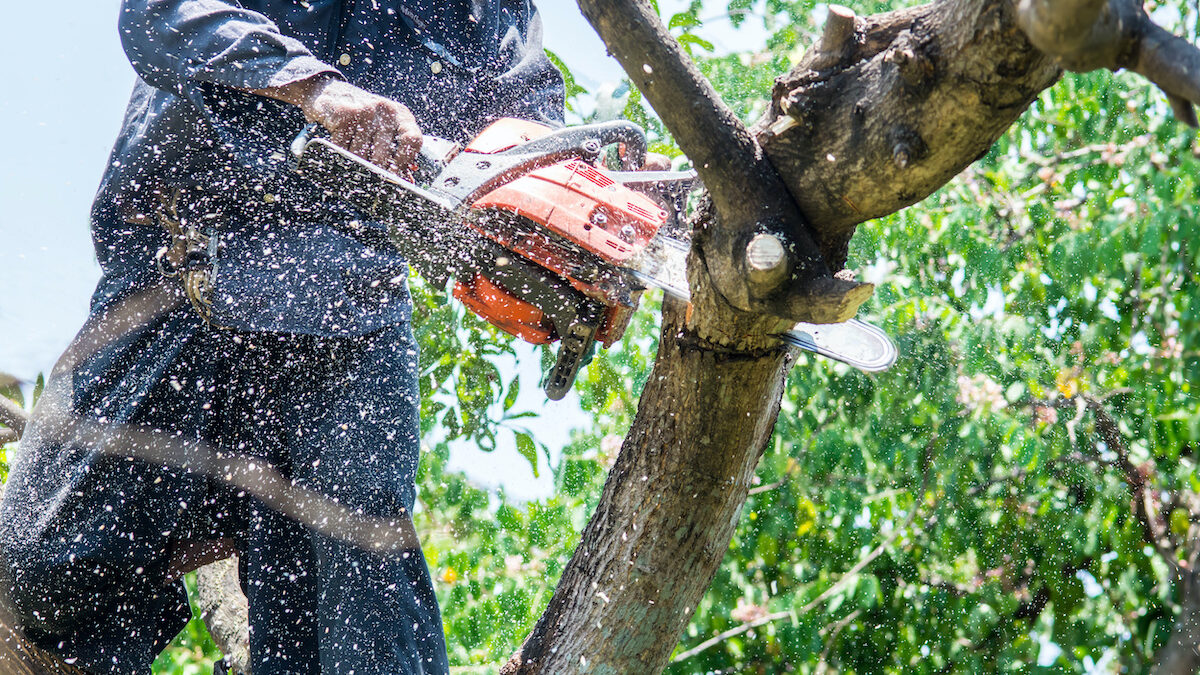
Professional Tree Removal Service: Safe, Efficient, and Affordable Solutions
Tree removal is a critical component of property maintenance, combining safety, aesthetics, and long-term health of the surrounding landscape. When a tree becomes hazardous, diseased, or simply obstructive, a qualified removal service provides the expertise needed to eliminate risks while preserving the integrity of the site. Understanding the process, the safety protocols, and the cost factors helps property owners make informed decisions that protect both people and property.
Why Tree Removal May Be Necessary
- Safety hazards: Dead or dying trees can fall without warning, posing a danger to structures, vehicles, and pedestrians.
- Structural damage: Roots that spread too close to foundations, sidewalks, or underground utilities can cause costly repairs.
- Health of surrounding vegetation: Infected trees can spread disease to nearby healthy plants.
- Improved property value: Removing unsightly or dangerous trees can enhance curb appeal and increase marketability.
Key Elements of a Safe Tree Removal Process
Comprehensive Site Assessment
A thorough evaluation begins with a certified arborist inspecting the tree’s condition, location, and surrounding environment. This assessment determines the appropriate removal method and identifies any special considerations such as proximity to power lines or fragile structures.
Equipment Selection and Preparation
Professional crews employ a range of specialized tools, from chainsaws and rigging equipment to aerial lifts and cranes. Selecting the right machinery ensures controlled cuts and minimizes collateral damage.
Safety Protocols and Permits
Compliance with local regulations and obtaining necessary permits is essential. Certified teams follow OSHA guidelines, wear personal protective equipment (PPE), and establish exclusion zones to protect bystanders.
Efficiency Through Advanced Techniques
- Sectional dismantling: Large trees are removed in manageable sections, reducing the risk of uncontrolled falls.
- Rope and rigging systems: Precision rigging directs the tree’s descent, allowing for safe removal even in tight spaces.
- Stump grinding: After the trunk is cleared, a stump grinder reduces the base to below ground level, eliminating tripping hazards and preparing the site for replanting.
For a deeper dive into the methods used by industry professionals, Discover expert strategies here.
Affordability Without Compromising Quality
Cost considerations often influence the decision to proceed with tree removal. Transparent pricing models typically factor in:
- Tree size (height and diameter)
- Location complexity (e.g., near buildings or power lines)
- Required equipment and crew size
- Stump removal and site cleanup
Many service providers offer free on-site estimates, allowing homeowners to compare quotes and select the most cost-effective solution. By focusing on efficient workflows and proper planning, reputable teams keep expenses reasonable while maintaining high safety standards.
Environmental Responsibility and After-Care
Responsible tree removal includes recycling wood for mulch or firewood, which reduces waste and benefits the local ecosystem. Additionally, proper stump treatment prevents regrowth of unwanted shoots and discourages pest infestation.
After removal, the cleared area can be prepared for new plantings, lawn restoration, or hardscape projects. Selecting native species for replanting supports local biodiversity and promotes long-term landscape health.
To explore guidelines on post-removal site management, Learn about our tailored solutions.
Choosing the Right Tree Removal Service
When evaluating potential providers, consider the following criteria:
- Certification and licensing of arborists and crew members
- Insurance coverage that protects against property damage
- Customer reviews and case studies demonstrating successful projects
- Commitment to environmentally friendly practices
Professional expertise ensures that the job is completed safely, efficiently, and within budget, minimizing disruption to daily activities.
Conclusion
Tree removal, when performed by qualified professionals, is a strategic investment in safety, property value, and environmental stewardship. By understanding the assessment process, safety measures, efficient removal techniques, and cost factors, property owners can confidently select a service that delivers reliable results. For further information on best practices and detailed guidance, Explore advanced guides and tips.
About the Author


