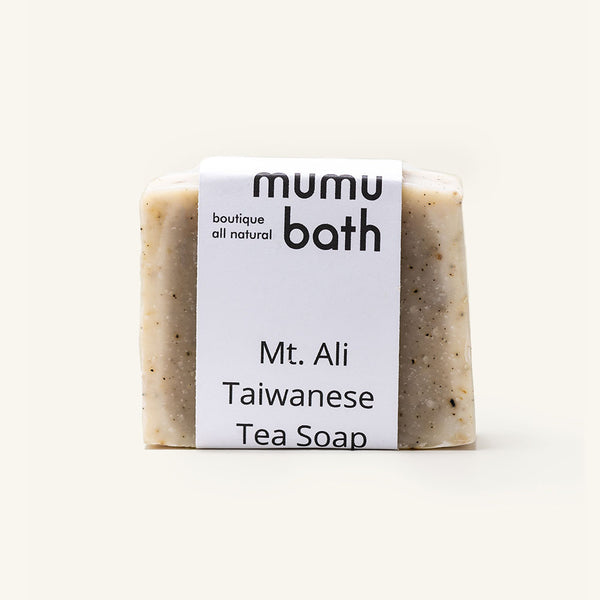
In a world increasingly mindful of health and environmental impacts, the choice of personal care products is more important than ever. Among these choices, organic soap has emerged as a beacon of natural wellness and sustainability. Made with ingredients derived from natural sources, such as essential oils, plant extracts, and organic herbs, these soaps offer a plethora of benefits that appeal to both health-conscious consumers and the eco-friendly community. Understanding the advantages of organic soap can help make more informed decisions about daily skincare routines.
Understanding Organic Soap
Organic soap is crafted from natural ingredients without the use of synthetic chemicals, preservatives, or artificial fragrances. This type of soap is typically handmade, ensuring a high level of quality and purity. Key attributes of organic soap include:
- No harmful chemicals: Free from parabens, sulfates, and synthetic dyes, which can irritate the skin and lead to long-term health issues.
- Environmentally friendly: Biodegradable and produced through eco-conscious methods, minimizing environmental impact.
- Gentle on skin: Ideal for all skin types, including sensitive skin, due to its natural composition.
Health Benefits of Organic Soap
Gentle Cleansing
Organic soap provides a mild and effective cleansing experience. Unlike commercial soaps that strip the skin of its natural oils, organic soaps maintain the skin’s natural moisture balance. This results in softer, more hydrated skin.
Rich in Antioxidants
Organic soaps are often enriched with antioxidants, such as vitamins A, C, and E, which are crucial in combating free radicals. These antioxidants help in reducing inflammation and promoting skin healing, which is particularly beneficial for aging or damaged skin.
Natural Fragrance
The aromatic experience of using organic soap is derived from essential oils, providing a natural and therapeutic scent. This eliminates the need for artificial fragrances, which are known to cause allergies and skin irritations.
Sustainability and Environmental Impact
Choosing organic soap contributes to a more sustainable lifestyle. The production of organic soap typically involves ethical sourcing of ingredients and environmentally responsible manufacturing processes. Here are a few ways organic soap supports sustainability:
- Reduced carbon footprint: Often produced locally, reducing the energy used in transportation.
- Biodegradable packaging: Many organic soap brands use recyclable or compostable packaging materials.
- Support for organic farming: Encourages the use of farming practices that protect soil health and biodiversity.
Making the Switch to Organic Soap
Transitioning to organic soap is a simple yet impactful change. Here are some tips for making the switch:
- Read labels carefully: Ensure the product is genuinely organic by checking certifications and ingredient lists.
- Test different varieties: Explore different formulations and scents to find the one that best suits personal preferences and skin type.
- Consider the brand”?s values: Choose products from brands that align with personal values regarding sustainability and ethical practices.
Conclusion
The shift towards using organic soap is not just a trend, but a commitment to personal health and environmental stewardship. By opting for products that are kind to the skin and the planet, individuals can contribute to a greater good while enjoying the luxurious care that organic soap offers. Exploring the natural goodness of organic soap can be the first step towards a healthier lifestyle and a cleaner environment.
About the Author